
How to Tell Wild Animals Explanation
- क्या आपने कभी सोचा है कि अगर जंगल में अचानक आपका सामना किसी जंगली जानवर से हो जाए तो आप क्या करेंगे? क्या वह जानवर खुद अपना नाम बताएगा
- बिल्कुल नहीं!
- कैरोलिन वेल्स द्वारा लिखी गई कविता “How to Tell Wild Animals” इस सवाल का बहुत ही मजेदार जवाब देती है। कवयित्री कहती हैं कि आप किसी जंगली जानवर को इस बात से पहचान सकते हैं कि वह आपको किस तरह मारता है।
- यदि आप How to Tell Wild Animals Explanation को आसानी से समझना चाहते हैं, तो यह पोस्ट आपके लिए बिल्कुल सही है। यहाँ आपको NCERT Solutions के साथ stanza-wise explanation सरल हिन्दी में दी गई है, जिसमें word meanings, reference to context और critical notes भी शामिल हैं। यह सामग्री पूरी तरह student-friendly तरीके से तैयार की गई है, ताकि आप कविता को आसानी से समझ सकें और अपने Class 10 exams की तैयारी बिना किसी confusion के कर सकें।
- Related Post:
- 1. Dust of Snow – stanza-wise explanation in Hindi
- 2. Fire and IceFire and Ice Explanation in Hindi (Easy & Complete) | Summary, Theme & Question Answers | Class 10 English (2026–27) – summary & explanation (Hindi)
- 3. A Tiger in the Zoo – complete explanation (Hindi)
How to Tell Wild Animals Explanation Free PDF
इस कविता की पूरी Study Material PDF प्राप्त करने के लिए info@niyans.com पर ईमेल करें। Subject-How to Tell Wild Animals – PDF
Table of Contents
How to Tell Wild Animals Stanza-wise Explanation
Stanza – 1
If ever you should go by chance
To jungles in the East;
And if there should to you advance
A large and tawny beast,
If he roars at you as you’re dyin’,
You’ll know it is the Asian Lion…

Difficult Words
| Word | Meaning (English) | Hindi Meaning |
| by chance | accidentally | संयोगवश |
| jungles in the East | forests of Asia | पूर्व के जंगल |
| advance | come forward | आगे बढ़ना |
| tawny | yellowish-brown | पीला-भूरा |
| beast | wild animal | जंगली जानवर |
| roars | loud sound | दहाड़ता है |
| dyin’ | dying | मरते समय |
Reference
These lines have been taken from the poem “How to Tell Wild Animals” written by Carolyn Wells.
ये पंक्तियाँ कैरोलिन वेल्स की कविता *“How to Tell Wild Animals”* से ली गई हैं।
Context
In this stanza, the poet humorously describes how to identify an Asian Lion.
इस पद्यांश में कवयित्री बड़े ही हास्यपूर्ण तरीके से एशियाई शेर को पहचानने का वर्णन करती हैं।
Explanation
- The poet says that if you go to the jungles of the East and a large yellowish-brown animal come towards you and roars while attacking, you can identify it as an Asian lion. However, the situation is ironic because you are already about to die, so this knowledge is useless.
- कवयित्री कहती हैं कि यदि तुम पूर्व के जंगलों में जाते हो और एक बड़ा पीले-भूरे रंग का जानवर तुम्हारी ओर बढ़ता है तथा तुम पर हमला करते समय दहाड़ता है, तो तुम समझ सकते हो कि वह एशियाई शेर है। लेकिन यहाँ विडम्बना यह है कि पहचान उस समय हो रही है जब व्यक्ति मरने वाला होता है, इसलिए यह ज्ञान बेकार है।
Critical Notes
- Humour and Irony: The poet creates humour by saying that the person identifies the animal only when he is about to die.
हास्य और व्यंग्य: कवयित्री हास्य उत्पन्न करती हैं क्योंकि व्यक्ति जानवर की पहचान तब करता है जब वह मरने वाला होता है। - Imagery: The phrase “large and tawny beast” creates a vivid picture of the lion.
चित्रात्मकता: “large and tawny beast”* शेर की स्पष्ट और जीवंत छवि प्रस्तुत करता है। - Rhyme Scheme: ababcc
तुकांत योजना: ababcc - Tone: Light, humorous, and playful.
भाव: हल्का, हास्यपूर्ण और मनोरंजक। - Theme: The poem is meant for entertainment, not for real identification of animals.
Stanza – 2 – Reference to Contex
Or if sometime when roaming round,
A noble wild beast greets you,
With black stripes on a yellow ground,
Just notice if he eats you.
This simple rule may help you learn
The Bengal Tiger to discern.

Difficult Words
| Word | Meaning (English) | Hindi Meaning |
| roaming round | moving here and there | इधर-उधर घूमना |
| noble | grand / impressive | भव्य / शानदार |
| wild beast | dangerous animal | जंगली जानवर |
| greets | meets | मिलता है |
| stripes | lines/marks | धारियाँ |
| discern | पहचानना | पहचानना / भेद करना |
Reference
These lines have been taken from the poem “How to Tell Wild Animals” written by Carolyn Wells
ये पंक्तियाँ कैरोलिन वेल्स की कविता “How to Tell Wild Animals” से ली गई हैं।
Context
In these lines, the poet humorously describes how to identify a Bengal Tiger.
इन पंक्तियों में कवयित्री मज़ाकिया ढंग से बंगाल टाइगर की पहचान बताती हैं।
Explanation
- The poet says that if you are roaming around and a grand wild animal with black stripes on a yellow body comes near you and eats you, then you can identify it as a Bengal Tiger.
Again, the situation is humorous because the person realizes the identity only after being eaten, which makes the idea funny and ironic. - कवयित्री कहती हैं कि यदि आप इधर-उधर घूम रहे हों और एक भव्य जंगली जानवर, जिसके शरीर पर पीले रंग पर काली धारियाँ हों, आपके पास आए और आपको खा जाए, तो आप समझ सकते हैं कि वह बंगाल टाइगर है।
यहाँ भी हास्य इस बात में है कि व्यक्ति जानवर की पहचान तब करता है जब वह खाया जा चुका होता है, इसलिए यह स्थिति व्यंग्यपूर्ण और मनोरंजक है।
Critical Notes
- Humour and Irony: The poet creates humour by showing that the person identifies the animal only after being eaten.
हास्य और व्यंग्य: कवयित्री हास्य उत्पन्न करती हैं क्योंकि व्यक्ति जानवर की पहचान तब करता है जब वह खाया जा चुका होता है। - Rhyme Scheme: ababcc
तुकांत योजना: ababcc - Tone: Playful and humorous.
भाव: मनोरंजक और हास्यपूर्ण।
Stanza – 3 – Reference to Context
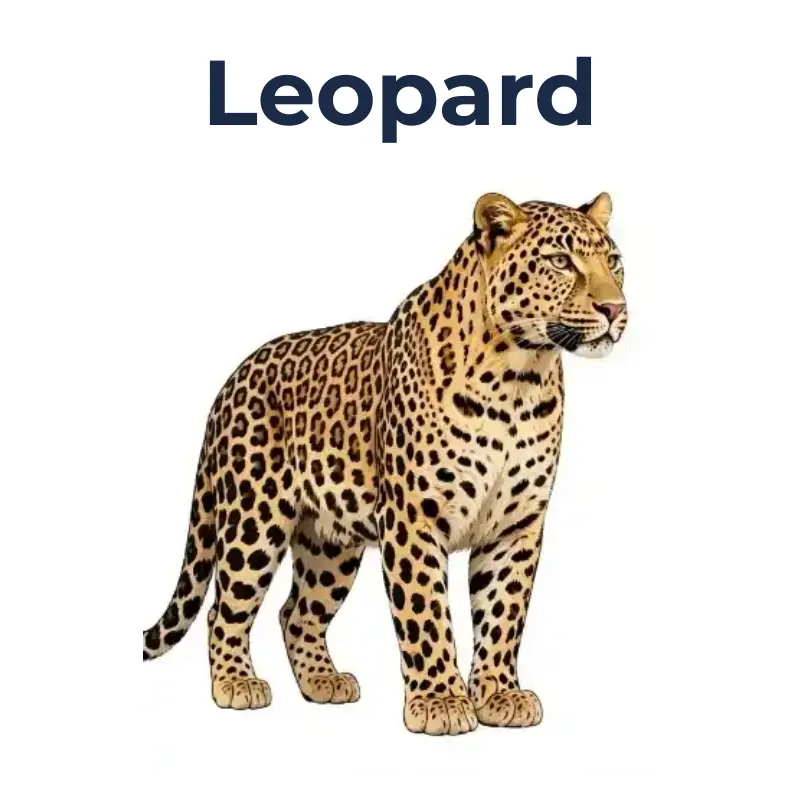
If strolling forth, a beast you view,
Whose hide with spots is peppered,
As soon as he has lept on you,
You’ll know it is the Leopard.
’Twill do no good to roar with pain,
He’ll only lep and lep again.
Difficult Words
| Word | Meaning (English) | Hindi Meaning |
| strolling forth | walking casually | आराम से टहलना |
| beast | wild animal | जंगली जानवर |
| hide | skin | चमड़ी / खाल |
| peppered | covered with spots | धब्बों से भरा हुआ |
| lept (leapt) | jumped | कूदा |
| roar with pain | cry loudly in pain | दर्द से चिल्लाना |
| lep (leap) | jump again and again | बार-बार कूदना |
Reference
These lines are taken from the poem “How to Tell Wild Animals written by Carolyn Wells.
ये पंक्तियाँ कैरोलिन वेल्स की कविता “How to Tell Wild Animals” से ली गई हैं।
Context
In these lines, the poet humorously explains how to identify a Leopard.
इन पंक्तियों में कवयित्री मज़ाकिया ढंग से तेंदुए की पहचान बताती हैं।
Explanation
- The poet says that if you are walking casually and see a wild animal whose body is covered with spots, and if it suddenly jumps on you, then you can identify it as a leopard. Even if you cry out in pain, it will not help because the leopard will keep jumping on you again and again.
The humour lies in the fact that the person realizes the identity of the animal only after being attacked, which is a dangerous and useless realization. - कवयित्री कहती हैं कि यदि आप आराम से टहल रहे हों और एक ऐसा जंगली जानवर देखें जिसकी खाल पर धब्बे हों, और वह अचानक आप पर कूद पड़े, तो आप समझ सकते हैं कि वह तेंदुआ है। यदि आप दर्द से चिल्लाएँगे भी, तो इसका कोई लाभ नहीं होगा क्योंकि वह बार-बार आप पर कूदता रहेगा।
यहाँ हास्य इस बात में है कि व्यक्ति जानवर की पहचान तब करता है जब वह उस पर हमला कर चुका होता है, जो कि व्यर्थ और खतरनाक स्थिति है।
Critical Notes
- Humour and Irony: The poet creates humour by showing that the person identifies the animal only after being attacked.
- हास्य और व्यंग्य: कवयित्री हास्य उत्पन्न करती हैं क्योंकि व्यक्ति जानवर की पहचान तब करता है जब उस पर हमला हो चुका होता है।
- Repetition: The word “lep and lep” emphasizes continuous jumping.
- पुनरावृत्ति:“lep and lep” शब्द बार-बार कूदने की क्रिया को दर्शाता है।
- Rhyme Scheme: ababcc
- Tone: Humorous and playful.
Stanza –4 Reference to Context
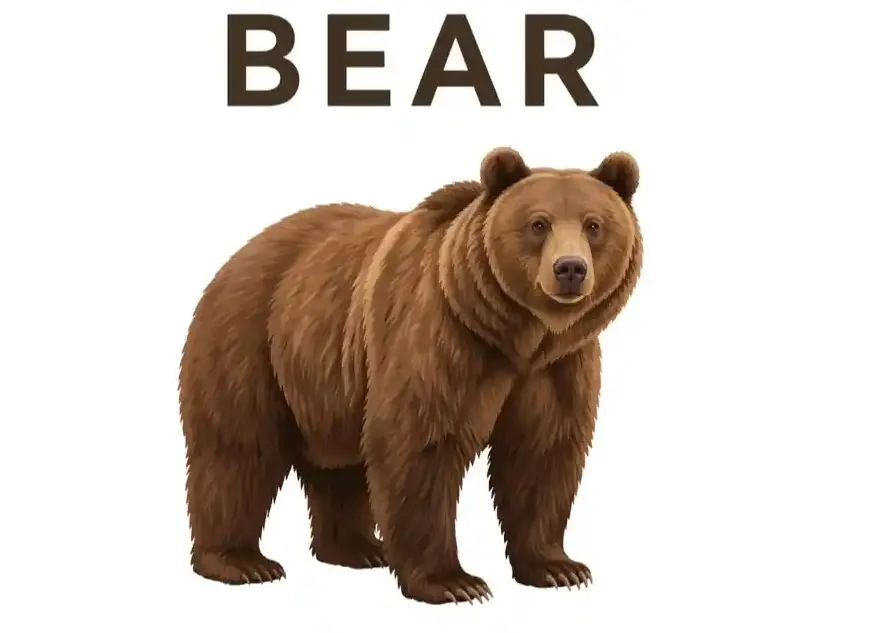
If when you’re walking round your yard
You meet a creature there,
Who hugs you very, very hard,
Be sure it is a Bear.
If you have any doubt, I guess
He’ll give you just one more caress.
Difficult Words
| Word | Meaning (English) | Hindi Meaning |
| walking round | moving around | इधर-उधर चलना |
| creature | living being/animal | जीव / जानवर |
| hugs | embraces tightly | गले लगाना |
| yard | area around house | आँगन / घर का परिसर |
| doubt | confusion | संदेह |
| caress | gentle touch (here ironic) | स्नेह से छूना (यहाँ व्यंग्यात्मक) |
Reference
These lines have been taken from the poem “How to Tell Wild Animals written by Carolyn Wells
ये पंक्तियाँ कैरोलिन वेल्स की कविता “How to Tell Wild Animals”से ली गई हैं।
Context
In these lines, the poet humorously explains how to identify a Bear.
इन पंक्तियों में कवयित्री मज़ाकिया ढंग से भालू की पहचान बताती हैं।
Explanation
- The poet says that if you are walking around your yard and a creature comes and hugs you very tightly, then it is a bear. If you still have any doubt, the bear will hug you again, which will remove all your doubts.
The humour lies in the fact that the “hug” of a bear is actually dangerous and can kill a person, but the poet describes it as a loving gesture. - कवयित्री कहती हैं कि यदि आप अपने आँगन में घूम रहे हों और कोई जानवर आपको बहुत ज़ोर से गले लगा ले, तो वह भालू है। यदि आपको फिर भी संदेह हो, तो वह आपको एक बार और गले लगाएगा और आपका संदेह दूर हो जाएगा।
यहाँ हास्य इस बात में है कि भालू का गले लगाना वास्तव में खतरनाक होता है और व्यक्ति को नुकसान पहुँचा सकता है, लेकिन कवयित्री इसे प्रेमपूर्ण व्यवहार की तरह प्रस्तुत करती है
Critical Notes
- Humour and Irony: The poet creates humour by describing a dangerous bear hug as a loving “caress.”
हास्य और व्यंग्य: कवयित्री ने खतरनाक भालू के गले लगाने को प्रेमपूर्ण “स्नेह” की तरह बताकर हास्य उत्पन्न किया है। - Ironical Contrast: The word “caress” usually means a gentle touch, but here it refers to a deadly hug.
विरोधाभास: “caress” का अर्थ सामान्यतः स्नेहपूर्ण स्पर्श होता है, लेकिन यहाँ यह खतरनाक आलिंगन को दर्शाता है। - Rhyme Scheme: ababcc
तुकांत योजना: ababcc - Tone: Playful and humorous.
भाव: हल्का, हास्यपूर्ण और मनोरंजक।
Stanza-5 – Reference to Context
Though to distinguish beasts of prey
A novice might nonplus,
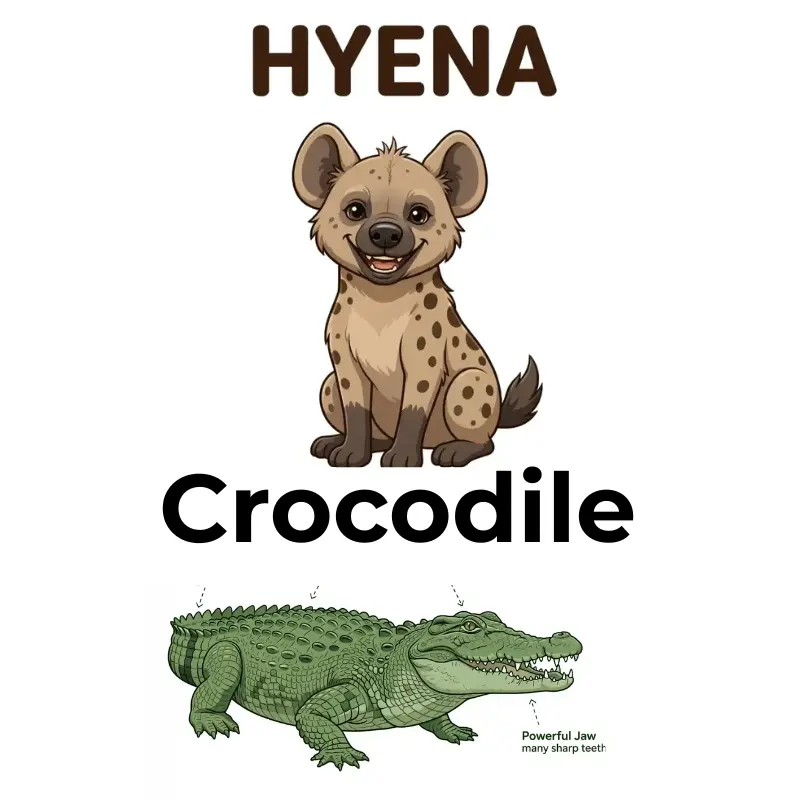
The Crocodile you always may
Tell from the Hyena thus:
Hyenas come with merry smiles;
But if they weep, they are Crocodiles.
Difficult Words
| Word | Meaning (English) | Hindi Meaning |
| distinguish | tell the difference | भेद करना |
| beasts of prey | animals that hunt others | हिंसक जानवर |
| novice | beginner | नौसिखिया |
| nonplus | confuse | उलझन में डालना |
| thus | in this way | इस प्रकार |
| merry | cheerful / happy | प्रसन्न |
| weep | cry | रोना |
Reference
These lines are taken from the poem “How to Tell Wild Animals written by Carolyn Wells.
ये पंक्तियाँ कैरोलिन वेल्स की कविता *“How to Tell Wild Animals”* से ली गई हैं।
Context
In these lines, the poet humorously explains how to distinguish between a Hyena and a Crocodile.
इन पंक्तियों में कवयित्री मज़ाकिया ढंग से लकड़बग्घा और मगरमच्छ में अंतर बताती हैं।
Explanation
- The poet says that it may be difficult for a beginner to distinguish between wild animals. However, she gives a funny method to tell the difference between a crocodile and a hyena.
- A hyena appears to be smiling or laughing, while a crocodile seems to be crying. So, if the animal is smiling, it is a hyena; and if it is weeping, it is a crocodile.
- The humour lies in the use of common expressions like “laughing hyena” and “crocodile tears” in a literal and amusing way.
- कवयित्री कहती हैं कि एक नौसिखिए व्यक्ति के लिए हिंसक जानवरों में अंतर करना कठिन हो सकता है। लेकिन वह लकड़बग्घा और मगरमच्छ में अंतर बताने का एक मज़ेदार तरीका देती हैं।
- लकड़बग्घा हँसता हुआ या मुस्कुराता हुआ प्रतीत होता है, जबकि मगरमच्छ रोता हुआ दिखता है। इसलिए यदि कोई जानवर हँसता हुआ लगे, तो वह लकड़बग्घा है और यदि वह रोता हुआ दिखे, तो वह मगरमच्छ है।
- यहाँ हास्य इस बात में है कि कवयित्री “laughing hyena” और “crocodile tears” जैसे मुहावरों का शाब्दिक प्रयोग करती हैं।
Critical Notes
- Humour and Irony: The poet creates humour by using common sayings in a literal sense.
हास्य और व्यंग्य: कवयित्री सामान्य कहावतों का शाब्दिक प्रयोग करके हास्य उत्पन्न करती हैं। - Use of Idioms: “Merry smiles” (hyena) and “weep” (crocodile tears) are based on popular idioms.
मुहावरों का प्रयोग: “merry smiles” और “weep” प्रसिद्ध मुहावरों पर आधारित हैं। - Rhyme Scheme: ababcc
- Tone: Light, witty, and humorous.
Last Stanza – Reference to Context
The true Chameleon is small,
A lizard sort of thing;
He hasn’t any ears at all,
And not a single wing.
If there is nothing on the tree,
’Tis the chameleon you see.

Difficult Words
| Word | Meaning (English) | Hindi Meaning |
| true | real / actual | वास्तविक |
| chameleon | a colour-changing lizard | गिरगिट |
| lizard | a reptile | छिपकली जैसा सरीसृप |
| sort of | kind/type | प्रकार |
| single | even one | एक भी |
| ’Tis (It is) | it is | यह है |
Reference
These lines are from the poem “How to Tell Wild Animals written by Carolyn Wells.
ये पंक्तियाँ कैरोलिन वेल्स की कविता “How to Tell Wild Animals” से ली गई हैं।
Context
In these lines, the poet humorously describes how to identify a Chameleon.
इन पंक्तियों में कवयित्री मज़ाकिया ढंग से गिरगिट की पहचान बताती हैं।
Explanation
- The poet says that a chameleon is a small creature, like a lizard. It has no ears and no wings. The most interesting way to identify it is that if you look at a tree and cannot see anything on it, then it is probably a chameleon, as it blends perfectly with its surroundings.
- The humour lies in the fact that the poet suggests identifying the animal by not seeing it, which is quite funny and unusual.
- कवयित्री कहती हैं कि गिरगिट एक छोटा जीव होता है, जो छिपकली जैसा होता है। उसके न तो कान होते हैं और न ही पंख। उसकी पहचान का सबसे मज़ेदार तरीका यह है कि यदि आप पेड़ को देखें और उस पर कुछ दिखाई न दे, तो समझिए वही गिरगिट है, क्योंकि वह अपने वातावरण में पूरी तरह मिल जाता है।
- यहाँ हास्य इस बात में है कि कवयित्री जानवर की पहचान उसे देखकर नहीं, बल्कि उसे न देखकर करने को कहती हैं।
Critical Notes
- Humour and Irony: The poet creates humour by saying that the chameleon can be identified when it is not visible.
- हास्य और व्यंग्य: कवयित्री हास्य उत्पन्न करती हैं क्योंकि गिरगिट की पहचान तब होती है जब वह दिखाई नहीं देता।
- Rhyme Scheme: ababcc
- Tone: Light and humorous.