
Class 12 English The Rattrap Questions and Answers
Class 12 English The Rattrap Questions and Answers इस पोस्ट में हम आपको अध्याय “The Rattrap” को सरल और स्पष्ट तरीके से समझाने जा रहे हैं। यह कहानी Selma Lagerlöf द्वारा लिखी गई है, जिसमें दुनिया को एक चूहेदानी (rattrap) से तुलना की गई है—जहाँ लालच और भौतिक इच्छाएँ इंसान को फँसा लेती हैं। इस अध्याय के माध्यम से हमें दया, करुणा और विश्वास की शक्ति का महत्व समझ में आता है। इस पोस्ट में आपको Class 12 English The Rattrap Questions and Answers हिंदी अर्थ के साथ मिलेंगे, जिससे हिंदी माध्यम के विद्यार्थियों को पाठ को आसानी से समझने और परीक्षा की तैयारी करने में मदद मिलेगी।
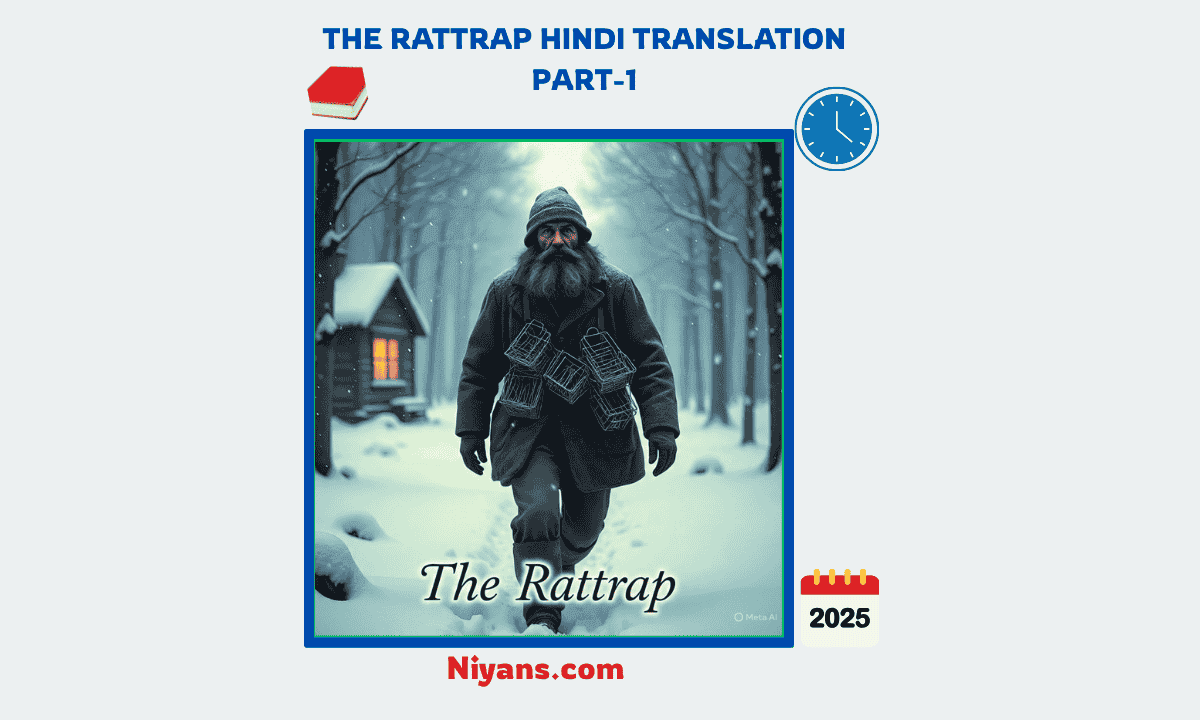
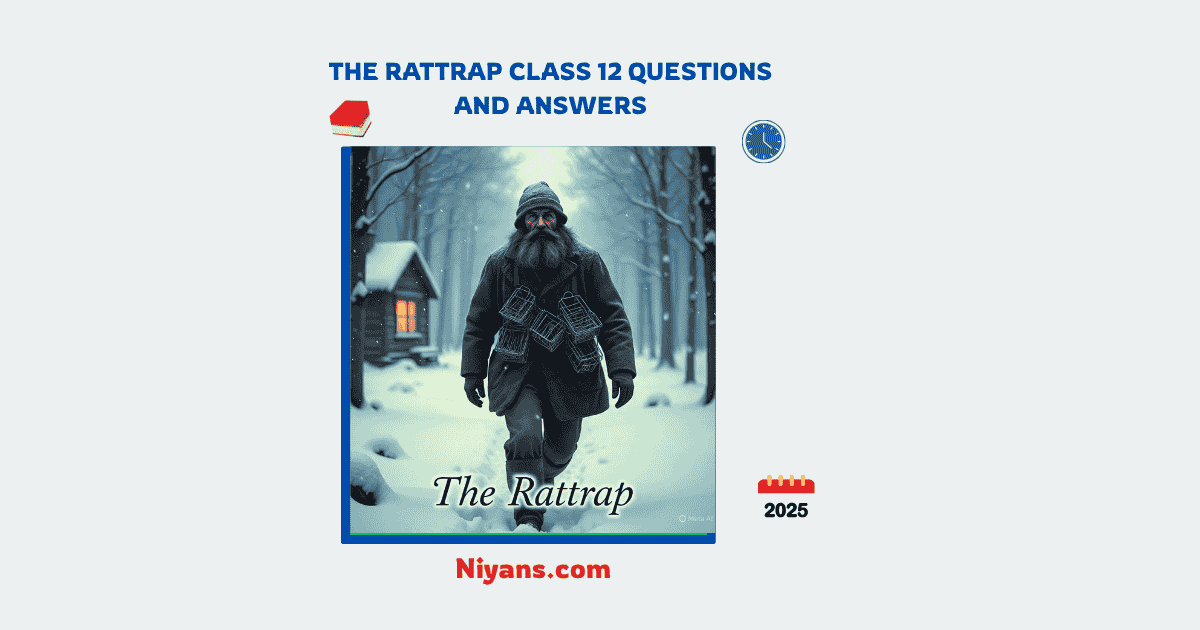
Table of Contents
Class 12 English The Rattrap Questions and Answers
Think as you read-1
- 1. From where did the peddler get the idea of the world being a rattrap?
पेडलर को दुनिया को चूहेदानी समझने का विचार कहाँ से आया
The peddler got the idea of the world being a rattrap from his own experiences of poverty and loneliness. He felt that the world was like a big rattrap that offers riches and joys as bait. Once people get tempted by these worldly things, they are caught in the trap just like a rat.
पेडलर को यह विचार उसके अपने अकेलेपन और गरीबी के अनुभवों से आया। वह सोचता था कि यह दुनिया एक बड़ी चूहेदानी की तरह है, जिसमें सुख-सुविधाएँ और धन दौलत चारे की तरह हैं। जो लोग इन चीजों के लालच में आते हैं, वे उसी तरह फँस जाते हैं जैसे चूहा चूहेदानी में फँसता है। - 2. Why was he amused by this idea?
वह इस विचार से आनंदित क्यों हुआ?
He was amused because he found the idea ironic and humorous. He thought it was entertaining to imagine that the entire world and all its people were trapped by their desires, just like rats caught in a rattrap.
उसे यह विचार इसलिए मज़ेदार लगा क्योंकि उसमें व्यंग्य और मज़ाक छिपा था। वह सोचता था कि पूरी दुनिया और उसके लोग अपने लालच के कारण फँस जाते हैं, जैसे चूहे चूहेदानी में फँसते हैं। - 3. Did the peddler expect the kind of hospitality that he received from the crofter?
क्या पेडलर को क्रॉफ्टर से ऐसी मेहमाननवाज़ी की उम्मीद थी?
No, the peddler did not expect such kindness and hospitality. He was used to being treated with suspicion and often turned away, so the crofter’s warm and friendly behavior surprised him.
नहीं, पेडलर को इतनी दयालुता और मेहमाननवाज़ी की उम्मीद नहीं थी। वह हमेशा अविश्वास और तिरस्कार का सामना करता था, इसलिए क्रॉफ्टर का इतना अपनापन और गर्मजोशी से पेश आना उसके लिए आश्चर्यजनक था। - 4. Why was the crofter so talkative and friendly with the peddler?
क्रॉफ्टर पेडलर के साथ इतना बातूनी और मैत्रीपूर्ण क्यों था?
The crofter was old and lonely, and he had no one to talk to. So, when the peddler came by, he was happy to have company and became talkative and friendly.
क्रॉफ्टर बूढ़ा और अकेला व्यक्ति था, और उसके पास बातचीत करने के लिए कोई नहीं था। जब पेडलर वहाँ आया, तो उसे साथी मिल गया और वह खुश होकर बातूनी और मिलनसार हो गया। - 5. Why did he show the thirty kroner to the peddler?
उसने पेडलर को अपने तीस क्रोनर क्यों दिखाए?
He showed the thirty kroner to the peddler to prove that he had really earned that money by selling the milk from his cow. He trusted the peddler and wanted to boast a little about his earnings.
उसने पेडलर को तीस क्रोनर इसलिए दिखाए ताकि वह यह साबित कर सके कि उसने सच में अपनी गाय का दूध बेचकर ये पैसे कमाए हैं। उसे पेडलर पर भरोसा हो गया था और वह अपनी कमाई पर थोड़ा घमंड भी करना चाहता था। - 6. Did the peddler respect the confidence reposed in him by the crofter?
क्या पेडलर ने क्रॉफ्टर के विश्वास का सम्मान किया?
No, the peddler did not respect the crofter’s trust. As soon as the crofter fell asleep, he stole the thirty kroner from the leather pouch and ran away.
नहीं, पेडलर ने क्रॉफ्टर के विश्वास का सम्मान नहीं किया। जैसे ही क्रॉफ्टर सो गया, पेडलर ने चमड़े की थैली से तीस क्रोनर चुराए और वहाँ से भाग गया।
The Rattrap Questions and answers in Hindi
Think as you read-2
- 1. What made the peddler think that he had indeed fallen into a rattrap?
पेडलर को क्यों लगा कि वह वास्तव में एक चूहेदानी में फँस गया है?
After stealing the crofter’s money, the peddler took a forest path to avoid the police. But the forest was confusing, and he kept walking in circles. At that moment, he realized he was trapped—just like a rat in a rattrap, caught by the bait of money.
क्रॉफ्टर का पैसा चुराने के बाद पेडलर ने पुलिस से बचने के लिए जंगल का रास्ता लिया। लेकिन जंगल बहुत उलझा हुआ था और वह बार-बार उसी रास्ते पर घूमता रहा। तभी उसे महसूस हुआ कि वह लालच के चारे में फँस चुका है, जैसे कोई चूहा चूहेदानी में फँस जाता है। - 2. Why did the ironmaster speak kindly to the peddler and invite him home?
आयरनमास्टर ने पेडलर से इतनी विनम्रता से बात क्यों की और उसे अपने घर आने का निमंत्रण क्यों दिया?
The ironmaster mistook the peddler for an old regimental comrade. Thinking he was an old friend fallen on hard times, the ironmaster felt pity for him and wanted to help him by offering warmth, food, and shelter at his home.
आयरनमास्टर ने पेडलर को अपना पुराना रेजीमेंट का साथी समझ लिया। उसे लगा कि उसका पुराना दोस्त अब बुरे हालात में है, इसलिए वह उस पर दया करने लगा और उसे अपने घर ले जाकर खाना, गर्मी और आराम देना चाहता था। - 3. Why did the peddler decline the invitation?
पेडलर ने उस निमंत्रण को क्यों ठुकरा दिया?
The peddler was afraid that if he went to the ironmaster’s house, he might be exposed as an imposter. He feared the consequences, especially after stealing the crofter’s money, so he refused the invitation.
पेडलर डर गया था कि अगर वह आयरनमास्टर के घर चला गया, तो उसकी असलियत सामने आ सकती है। उसे डर था कि कहीं चोरी का राज न खुल जाए, इसलिए उसने निमंत्रण ठुकरा दिया।
The Rattrap Questions and Answers
Think as you read-3
- 1. What made the peddler accept Edla Willmansson’s invitation?
पेडलर ने एडला विलमैनसन का निमंत्रण क्यों स्वीकार किया?
Edla spoke to the peddler gently and kindly, unlike her father. She assured him that he would be welcome at their home for Christmas no matter who he was or what he had done. Her compassion and sincerity touched the peddler’s heart, and he accepted the invitation.
एडला ने पेडलर से बहुत ही विनम्रता और दया से बात की, जो उसके पिता से अलग थी। उसने उसे भरोसा दिलाया कि वह चाहे जो भी हो, उसे क्रिसमस के मौके पर उनके घर में अपनापन और सम्मान मिलेगा। उसकी करुणा और सच्चाई ने पेडलर का दिल छू लिया और उसने निमंत्रण स्वीकार कर लिया। - 2. What doubts did Edla have about the peddler?
एडला को पेडलर को लेकर क्या संदेह था?
Edla noticed that the man was afraid and behaved strangely. His appearance and manners did not match those of a former army officer. So she suspected that he was not who her father believed he was.
एडला ने देखा कि वह आदमी डरा हुआ और अजीब व्यवहार कर रहा था। उसका हुलिया और तौर-तरीके किसी पूर्व सैनिक जैसे नहीं थे। इसलिए उसे संदेह हुआ कि वह व्यक्ति वह नहीं है जिसे उसके पिता समझ रहे हैं। - 3. When did the ironmaster realise his mistake?
आयरनमास्टर को अपनी गलती का एहसास कब हुआ?
The ironmaster realized his mistake the next morning when the peddler had been cleaned and dressed up in proper clothes. His real identity was clearly visible then, and it became obvious that he was not the army captain he had assumed him to be.
अगली सुबह जब पेडलर को साफ-सुथरे और अच्छे कपड़े पहनाए गए, तब आयरनमास्टर को उसकी असली पहचान समझ में आ गई। तभी उसे अपनी गलती का एहसास हुआ कि यह व्यक्ति सेना का अधिकारी नहीं है। - 4. What did the peddler say in his defence when it was clear that he was not the person the ironmaster had thought he was?
जब यह स्पष्ट हो गया कि वह आयरनमास्टर का जाना-पहचाना व्यक्ति नहीं है, तो पेडलर ने अपने बचाव में क्या कहा?
The peddler calmly said that he never claimed to be a captain. He explained that it was not his fault if the ironmaster made a wrong assumption. He also added that he had not asked for anything; he was invited.
पेडलर ने शांत स्वर में कहा कि उसने कभी नहीं कहा कि वह कप्तान है। अगर आयरनमास्टर ने उसे गलत समझा, तो इसमें उसकी कोई गलती नहीं है। उसने यह भी कहा कि उसने कुछ माँगा नहीं था, उसे तो बुलाया गया था। - 5. Why did Edla still entertain the peddler even after she knew the truth about him?
एडला ने सच जानने के बाद भी पेडलर को क्यों अपने घर में ठहराया?
Edla felt sorry for the peddler and believed that he must have lived a hard and lonely life. She wanted him to enjoy at least one day of peace and dignity during Christmas. She treated him with respect and kindness, hoping it might help him change.
एडला को पेडलर पर दया आई और उसने सोचा कि उसका जीवन दुख और अकेलेपन में बीता है। वह चाहती थी कि कम से कम क्रिसमस के दिन उसे शांति और सम्मान मिल सके। उसने यह आशा भी की कि उसका यह व्यवहार शायद उस आदमी को बदलने में मदद करे।
The Rattrap Questions and answers
Think as you read-4
- 1. Why was Edla happy to see the gift left by the peddler?
एडला पेडलर द्वारा छोड़ा गया उपहार देखकर खुश क्यों हुई?
Edla was happy because the gift showed that the peddler had experienced a change of heart. He returned the stolen money and left a kind message, proving that her kindness and trust had not gone in vain. It gave her joy to know that she had helped someone realize their inner goodness.
एडला इसलिए खुश हुई क्योंकि उपहार से यह पता चला कि पेडलर का दिल बदल गया था। उसने चोरी किए गए पैसे वापस कर दिए और एक अच्छा संदेश भी छोड़ा, जिससे यह साबित हुआ कि उसकी दया और विश्वास बेकार नहीं गया। उसे यह जानकर खुशी हुई कि उसने किसी को अच्छा इंसान बनने में मदद की। - 2. Why did the peddler sign himself as Captain von Stahle?
पेडलर ने खुद को “कैप्टन वॉन स्टाले” क्यों लिखा?
The peddler signed himself as “Captain von Stahle” to show that he had accepted the identity that Edla had given him out of respect. It was his way of expressing gratitude and trying to live up to the dignity and honor she had shown him, even though he wasn’t really a captain.
पेडलर ने खुद को “कैप्टन वॉन स्टाले” इसलिए लिखा क्योंकि उसने वह पहचान अपनाई जो एडला ने सम्मानपूर्वक उसे दी थी। यह उसके आभार और इस भावना का प्रतीक था कि वह उस सम्मान और गरिमा के योग्य बनने की कोशिश कर रहा है, भले ही वह असल में कप्तान न हो।
Class 12 English The Rattrap Questions and answers
Understanding the text
- 1. How does the peddler interpret the acts of kindness and hospitality shown by the crofter, the ironmaster and his daughter?
पेडलर क्रॉफ्टर, आयरनमास्टर और उसकी बेटी द्वारा दिखाए गए दया और आतिथ्य को कैसे समझता है?
The peddler initially misuses the crofter’s kindness by stealing his money. He doubts the ironmaster’s intentions but is deeply touched by Edla’s genuine care and respect. Over time, he begins to see these acts of kindness as life-changing, making him feel valued and human.
पेडलर शुरू में क्रॉफ्टर की दयालुता का गलत फायदा उठाता है और उसके पैसे चुरा लेता है। वह आयरनमास्टर की नीयत पर शक करता है, लेकिन एडला की सच्ची देखभाल और सम्मान उसे भीतर तक छू जाते हैं। धीरे-धीरे वह इन दयालु कार्यों को अपने जीवन में बदलाव लाने वाले अनुभव के रूप में देखने लगता है, जिससे उसे इंसान होने का एहसास होता है। - 2. What are the instances in the story that show that the character of the ironmaster is different from that of his daughter in many ways?
कहानी में किन उदाहरणों से यह पता चलता है कि आयरनमास्टर का स्वभाव उसकी बेटी से कई मायनों में अलग है?
The ironmaster is impulsive and makes quick judgments based on appearances. He is easily offended when proven wrong. In contrast, Edla is gentle, patient, and thoughtful. She believes in kindness, gives the peddler dignity, and chooses to help rather than judge.
आयरनमास्टर जल्दबाज़ और सतही निर्णय लेने वाला व्यक्ति है, जो लोगों को उनके बाहरी रूप से आंकता है। जब उसकी गलती सामने आती है, तो वह नाराज़ हो जाता है। वहीं एडला विनम्र, सहनशील और समझदार है। वह दया में विश्वास करती है, पेडलर को सम्मान देती है और उसे जज करने की बजाय उसकी मदद करती है। - 3. The story has many instances of unexpected reactions from the characters to others’ behaviour. Pick out instances of these surprises.
कहानी में कई बार पात्रों ने दूसरों के व्यवहार पर अप्रत्याशित प्रतिक्रिया दी। ऐसे कौन-कौन से उदाहरण हैं?
• The crofter trusts the peddler and shows him the money.
• The ironmaster invites a stranger home thinking he is a friend.
• Edla still treats the peddler kindly after knowing the truth.
• The peddler leaves a gift and returns the stolen money.
– क्रॉफ्टर पेडलर पर भरोसा करता है और उसे पैसे दिखा देता है।
– आयरनमास्टर एक अजनबी को अपना मित्र समझकर घर बुला लेता है।
– एडला सच्चाई जानने के बावजूद पेडलर के साथ दयालुता से पेश आती है।
– पेडलर चोरी किए पैसे लौटा देता है और एक उपहार के साथ विदा होता है। - 4. What made the peddler finally change his ways?
पेडलर ने अंत में अपनी आदतें क्यों बदल लीं?
The sincere kindness and respect shown by Edla made the peddler realize his own worth. For the first time, he was treated as a human being. This emotional experience awakened his conscience, leading him to return the stolen money and try to become a better person.
एडला द्वारा दिखाई गई सच्ची दया और सम्मान ने पेडलर को उसकी खुद की अहमियत का एहसास कराया। पहली बार उसे इंसान की तरह व्यवहार मिला। यह भावनात्मक अनुभव उसकी अंतरात्मा को जगा गया और उसने चोरी के पैसे लौटाकर एक अच्छा इंसान बनने का फैसला किया। - 5. How does the metaphor of the rattrap serve to highlight the human predicament?
चूहेदानी का रूपक मानव जीवन की उलझनों को कैसे दर्शाता है?
The rattrap symbolizes how the world tempts people with wealth, comfort, and desires, just like bait traps a rat. It reflects how humans, driven by greed, often fall into traps of their own making. Yet, the story also shows that with compassion, one can escape this trap and redeem oneself.
चूहेदानी इस बात का प्रतीक है कि दुनिया कैसे धन, आराम और इच्छाओं के जरिए इंसानों को फँसाती है, जैसे चारे से चूहा फँसता है। यह दर्शाता है कि कैसे लालच के कारण इंसान खुद के लिए जाल बुन लेता है। लेकिन यह कहानी यह भी बताती है कि करुणा और समझ से कोई भी इस जाल से बाहर निकल सकता है और खुद को सुधार सकता है। - 6. The peddler comes out as a person with a subtle sense of humour. How does this serve in lightening the seriousness of the theme of the story and also endear him to us?
पेडलर एक सूक्ष्म हास्य भावना रखने वाला व्यक्ति लगता है। यह कहानी की गंभीरता को कैसे हल्का करता है और उसे प्रिय पात्र क्यों बनाता है?
The peddler’s idea of the world as a rattrap is humorous and ironic. His ability to laugh at the harsh realities of life brings a light tone to an otherwise serious story. This wit, combined with his vulnerability, makes readers empathize with him and appreciate his transformation.
पेडलर का यह विचार कि दुनिया एक चूहेदानी है, हास्य और व्यंग्य से भरा है। वह जीवन की कठोर सच्चाइयों पर भी हँसना जानता है, जिससे कहानी की गंभीरता थोड़ी हल्की हो जाती है। उसकी यह सोच और भावनात्मक कमजोरी उसे पाठकों के लिए प्रिय और समझने योग्य पात्र बना देती है।
Class 12 English The Rattrap Questions and answers
Talking about the text
- 1. The reader’s sympathy is with the peddler right from the beginning of the story. Why is this so? Is the sympathy justified?
कहानी की शुरुआत से ही पाठकों की सहानुभूति पेडलर के साथ होती है। ऐसा क्यों है? क्या यह सहानुभूति उचित है?
Readers sympathize with the peddler because he is poor, homeless, and isolated from society. He wanders alone, trying to survive by selling rattraps but earns very little. His life is full of rejection and struggle. Despite stealing, he never appears cruel or dangerous. Instead, he seems like a victim of harsh realities.
Yes, this sympathy is justified because he is not a criminal at heart; he is simply longing for kindness, acceptance, and dignity.
पाठकों की सहानुभूति पेडलर के साथ इसलिए होती है क्योंकि वह गरीब, बेसहारा और समाज से कट चुका व्यक्ति है। वह अकेला घूमता है और मुश्किल से जिंदा रहने के लिए चूहेदानियाँ बेचता है, लेकिन उसकी कमाई बहुत कम होती है। उसका जीवन ठुकराए जाने और संघर्षों से भरा है। वह चोरी तो करता है, लेकिन क्रूर या खतरनाक नहीं लगता। वह परिस्थितियों का शिकार लगता है।
यह सहानुभूति उचित है क्योंकि वह स्वभाव से अपराधी नहीं है; वह केवल अपनापन, दया और सम्मान चाहता है। - 2. The story also focuses on human loneliness and the need to bond with others.
यह कहानी मानव के अकेलेपन और दूसरों से जुड़ने की आवश्यकता को भी दर्शाती है।
The story shows that loneliness is a deep human problem. The peddler is lonely and bitter. The crofter is old and wants someone to talk to. Edla, too, shows emotional sensitivity and wants to make the peddler feel respected and cared for.
All characters are seeking connection in their own way. The story teaches us that small acts of kindness can fill emotional gaps and create bonds that heal and transform.
कहानी यह दर्शाती है कि अकेलापन एक गहरी मानवीय समस्या है। पेडलर अकेला है और कटु हो गया है। क्रॉफ्टर बूढ़ा है और उसे बात करने के लिए कोई चाहिए। एडला भी भावनात्मक रूप से संवेदनशील है और चाहती है कि पेडलर को अपनापन और सम्मान मिले।
हर पात्र अपने-अपने तरीके से जुड़ाव चाहता है। यह कहानी हमें सिखाती है कि दया के छोटे-छोटे कार्य भी भावनात्मक दूरी को पाट सकते हैं और बदलाव ला सकते हैं। - 3. Have you known/heard of an episode where a good deed or an act of kindness has changed a person’s view of the world?
क्या आपने ऐसा कोई प्रसंग सुना या देखा है जहाँ किसी अच्छे कार्य या दया ने किसी व्यक्ति की सोच को बदल दिया हो?
Yes, there are many real-life examples. One such story is of a criminal who was reformed by a teacher in prison. The teacher treated him with respect and gave him education. Over time, the man changed and later helped other prisoners as a social worker.
Such examples show that one act of kindness can bring out the good in someone and completely change their view of life.
हाँ, असल जीवन में ऐसे कई उदाहरण हैं। एक कहानी एक अपराधी की है जिसे जेल में एक शिक्षक ने सुधार दिया। शिक्षक ने उससे सम्मानपूर्वक व्यवहार किया और उसे शिक्षा दी। समय के साथ वह व्यक्ति बदल गया और बाद में समाजसेवी बनकर दूसरे कैदियों की मदद करने लगा।
ऐसे उदाहरण दिखाते हैं कि एक अच्छा कार्य किसी के भीतर की अच्छाई को बाहर ला सकता है और उसकी सोच पूरी तरह बदल सकता है। - 4. The story is both entertaining and philosophical.
यह कहानी मनोरंजक होने के साथ-साथ दार्शनिक भी है।
The story entertains with its interesting plot—mistaken identity, twists, and the transformation of a poor man. But it also carries a deep message through the metaphor of the rattrap. It reflects human greed, suffering, and the possibility of redemption through kindness.
This balance of story and message makes it both enjoyable and thought-provoking.
यह कहानी अपने दिलचस्प कथानक से मनोरंजन करती है—गलत पहचान, मोड़ और एक गरीब व्यक्ति का बदलाव। लेकिन इसके साथ-साथ यह ‘चूहेदानी’ रूपक के ज़रिए एक गहरा संदेश भी देती है। यह मानव की लालच, पीड़ा और दया के माध्यम से उद्धार की संभावना को दर्शाती है।
कहानी और संदेश का यह संतुलन इसे मनोरंजक और चिंतनशील दोनों बनाता है।
Class 12 English The Rattrap Questions and answers
“Working with Words”
- 1. The man selling rattraps is referred to by many terms such as “peddler, stranger” etc. Pick out all such references to him. What does each of these labels indicate of the context or the attitude of the people around him?
चूहेदानियाँ बेचने वाले व्यक्ति को कहानी में कई अलग-अलग नामों से पुकारा गया है जैसे “peddler, stranger” आदि। ऐसे सभी शब्दों को निकालिए और बताइए कि हर नाम उस समय की परिस्थिति या लोगों के रवैये को कैसे दर्शाता है।
References to the man and their meanings: - 1. Peddler – Used commonly in narration. It shows his identity as a poor street vendor trying to earn a living.
पेडलर – कहानी में सामान्यतः प्रयोग हुआ है। यह दर्शाता है कि वह एक गरीब फेरीवाला है जो जीविका चलाने के लिए चूहेदानियाँ बेचता है। - 2. Stranger – Used by people who do not know him. It reflects suspicion or distance.
Stranger (अजनबी) – उन लोगों द्वारा प्रयोग किया गया जो उसे नहीं जानते। यह संदेह या दूरी को दर्शाता है। - 3. Vagabond – This label shows society’s judgmental attitude, seeing him as a useless wanderer.
Vagabond (आवारा) – यह समाज की आलोचनात्मक सोच दिखाता है जो उसे एक बेकार और घुमक्कड़ मानते हैं। - 4. Guest – Edla uses this word. It shows kindness and respect, treating him with dignity.
Guest (अतिथि) – एडला द्वारा प्रयोग किया गया। यह दया और सम्मान को दर्शाता है। - 5. Captain / Captain von Stahle – Mistaken identity at first, then later a symbol of hope and transformation.
Captain / Captain von Stahle – शुरुआत में गलत पहचान के रूप में प्रयोग हुआ, लेकिन बाद में यह उसके परिवर्तन और सम्मान की पहचान बन जाता है।
These labels reflect how people judge others based on appearance, class, or kindness. The peddler’s identity shifts with how others treat him—ranging from mistrust to compassion.
ये सभी शब्द यह दिखाते हैं कि लोग दूसरों को उनके रूप, सामाजिक स्थिति या सहानुभूति के आधार पर कैसे आँकते हैं। पेडलर की पहचान बदलती रहती है, जैसा कि उसे लोग जैसे-जैसे समझते हैं—कभी अविश्वास से, कभी दया से।
- 2. You came across the words, plod, trudge, stagger in the story. These words indicate movement accompanied by weariness. Find five other such words with a similar meaning.
आपने कहानी में plod, trudge, stagger जैसे शब्द पढ़े जो थकावट के साथ चलने की क्रिया को दर्शाते हैं। ऐसे पाँच अन्य शब्द खोजिए जिनका अर्थ भी थकान के साथ चलना हो। - Here are five more such words:
- 1. Limp – to walk with difficulty, especially because of pain or weakness
Limp – लँगड़ाकर चलना, विशेषकर दर्द या कमजोरी के कारण - 2. Totter – to move in an unsteady way as if about to fall
Totter – लड़खड़ाते हुए चलना, जैसे गिरने वाले हों - 3. Shuffle – to walk dragging one’s feet, often due to tiredness
Shuffle – घसीट-घसीटकर चलना, अक्सर थकान के कारण - 4. Creep – to move slowly and quietly, usually in pain or fear
Creep – धीरे-धीरे और चुपचाप चलना, अक्सर दर्द या डर के कारण - 5. Lurch – to walk or move suddenly in an unsteady way
Lurch – अचानक असंतुलित होकर झटका खाकर चलना
These words, like plod and trudge, help express physical tiredness and emotional exhaustion through movement.
ये सभी शब्द plod और trudge की तरह शारीरिक थकावट और मानसिक थकान को चलने के तरीके से व्यक्त करते हैं।
Class 12 English The Rattrap Questions and answers
“Thinking About Language”
- 1. Notice the words in bold in the following sentence:
“The fire boy shovelled charcoal into the maw of the furnace with a great deal of clatter.”
This is a phrase used in the specific context of an iron plant.
Pick out other such phrases and words from the story that are peculiar to the terminology of ironworks.
“फायर बॉय ने भट्टी के जबड़े में बहुत शोर के साथ कोयला झोंका।” यह वाक्य आयरन प्लांट के विशेष संदर्भ में प्रयोग हुआ है।
ऐसे और शब्द या वाक्यांश कहानी में से निकालिए जो लोहे के कारखाने (ironworks) से संबंधित विशिष्ट शब्दावली हों। - Here are some ironwork-related terms/phrases from the story:
• Forge – a place where metal is heated and shaped
Forge – वह जगह जहाँ धातु को गर्म करके आकार दिया जाता है (लोहे की भट्टी)
• Rolling mill – a machine where heated metal is pressed into shape
Rolling mill – एक मशीन जहाँ गरम धातु को दबाकर आकार दिया जाता है
• Hammer strokes – sound or action of striking metal with a hammer
Hammer strokes – हथौड़े से धातु पर प्रहार करने की आवाज़ या क्रिया
• Furnace – a high-temperature chamber used for smelting or heating metal
Furnace – धातु को गलाने या गर्म करने वाली उच्च ताप की भट्टी
• Iron bar – the raw metal product seen during the process
Iron bar – प्रक्रिया के दौरान तैयार होने वाली लोहे की छड़
• Ramsjo Ironworks – the name of the factory, which also shows the setting
Ramsjo Ironworks – कारखाने का नाम, जो स्थान और उद्योग को दर्शाता है
These terms create an authentic industrial setting in the story and are typical of iron processing.
ये शब्द कहानी को एक सच्चे औद्योगिक वातावरण में स्थापित करते हैं और लोहा बनाने से जुड़ी प्रक्रिया को दर्शाते हैं। - 2. Mjolis is a card game of Sweden. Name a few indoor games played in your region. ‘Chopar’ could be an example.
Mjolis स्वीडन का एक ताश का खेल है। अपने क्षेत्र में खेले जाने वाले कुछ इनडोर खेलों के नाम बताइए। ‘चौपड़’ एक उदाहरण हो सकता है।
Here are some indoor games commonly played in Indian households:
• Ludo (लूडो) – A popular board game based on strategy and dice
• Carrom (कैरम) – Played by flicking discs into corner pockets
• Snakes and Ladders (सांप-सीढ़ी) – A classic dice board game
• Cards (ताश) – Played in various formats like Teen Patti, Rummy
• Chess (शतरंज) – A strategy-based board game
ये खेल परिवार और दोस्तों के बीच मनोरंजन और समय बिताने का अच्छा साधन होते हैं। - 3. A crofter is a person who rents or owns a small farm especially in Scotland. Think of other uncommon terms for ‘a small farmer’ including your language.
Crofter वह व्यक्ति होता है जो स्कॉटलैंड में एक छोटा खेत किराए पर लेता है या खुद का मालिक होता है। ‘छोटे किसान’ के लिए अपने क्षेत्र या भाषा में उपयोग होने वाले कुछ कम प्रचलित शब्दों के बारे में सोचिए।
Other uncommon or regional terms for a small farmer:
• Kishan (किसान) – General Hindi term for a farmer
• Bataidar (बटाईदार) – A sharecropper or tenant farmer
• Mazdoor Kisaan (मजदूर किसान) – A poor farmer who also works as a laborer
• Chhotey Khetwala (छोटे खेत वाला) – Colloquial term for a marginal farmer
• Pattadar (पट्टेदार) – One who holds land on lease
These terms vary by region and are often used in rural and agricultural conversations.
ये शब्द क्षेत्रीय भाषाओं और ग्रामीण जीवन में प्रचलित होते हैं और छोटे किसानों की स्थिति को दर्शाते हैं।
Conclusion:
अंत में, Class 12 English The Rattrap Questions and Answers With Hindi के माध्यम से आपने इस महत्वपूर्ण अध्याय को आसान और स्पष्ट तरीके से समझ लिया होगा। Selma Lagerlöf की यह प्रेरणादायक कहानी हमें सिखाती है कि दया, विश्वास और सकारात्मक सोच से जीवन में बदलाव लाया जा सकता है। इस पोस्ट में दिए गए important questions and answers आपके concepts को मजबूत करने के साथ-साथ परीक्षा में अच्छे अंक लाने में भी मदद करेंगे। नियमित अभ्यास करें, उत्तरों को समझकर याद करें, और पूरे confidence के साथ अपनी तैयारी को आगे बढ़ाएँ—आपकी सफलता निश्चित है।
Also read :The Rattrap Class 12 Hindi Translation Part-1– Learn with Confidence