
Childhood Poem Class 11
अगर आपको Childhood Poem Class 11 समझने में परेशानी होती है, तो यह explanation आपके लिए बहुत उपयोगी है। Markus Natten की Childhood कविता में कवि यह जानने की कोशिश करता है कि उसका बचपन कब और कैसे समाप्त हुआ। इस कविता में बचपन की मासूमियत, तार्किक सोच, बड़ों के पाखंड और अपनी स्वतंत्र सोच जैसे महत्वपूर्ण विचारों को बहुत सुंदर ढंग से प्रस्तुत किया गया है। यहाँ Hindi-medium students के लिए कविता की सरल Hindi में व्याख्या, कठिन शब्दों के अर्थ, Childhood Poem Class 11 की stanza-wise explanation और important question answers दिए गए हैं, जिससे कविता को समझना और परीक्षा की तैयारी करना आसान हो जाएगा।
Childhood Poem Class 11 stanza-wise explanation
stanza-1
When did my childhood go?————————————-that the day!
Difficult Words and Meanings
| Word | English Meaning | Hindi Meaning |
| ceased | stopped | समाप्त हो गया / रुक गया |
| realised | understood or became aware | एहसास हुआ / समझ में आया |
| Hell | place of punishment after death | नरक |
| Heaven | place of happiness after death | स्वर्ग |
| Geography | the study of the Earth, its places and features | भूगोल |
| therefore | for that reason | इसलिए |
| childhood | the period of being a child | बचपन |
Reference
These lines have been taken from the poem “Childhood” written by Markus Natten.
ये पंक्तियाँ मार्कस नैटन द्वारा रचित कविता “Childhood” से ली गई हैं।
Context
In this poem, the poet is trying to find out the exact time when he lost his childhood and stepped into adulthood. In these lines he talks about his first stage of growing up.
इस कविता में कवि यह पता लगाने की कोशिश कर रहा है कि उसने अपना बचपन ठीक कब खोया और वयस्कता में कदम रखा। इन पंक्तियों में वह बड़े होने के अपने पहले चरण के बारे में बात करता है।
Explanation
The poet is confused and asks himself – When did my childhood go?
He guesses – Was it when he was no longer eleven? Eleven is the age when we start becoming mature.
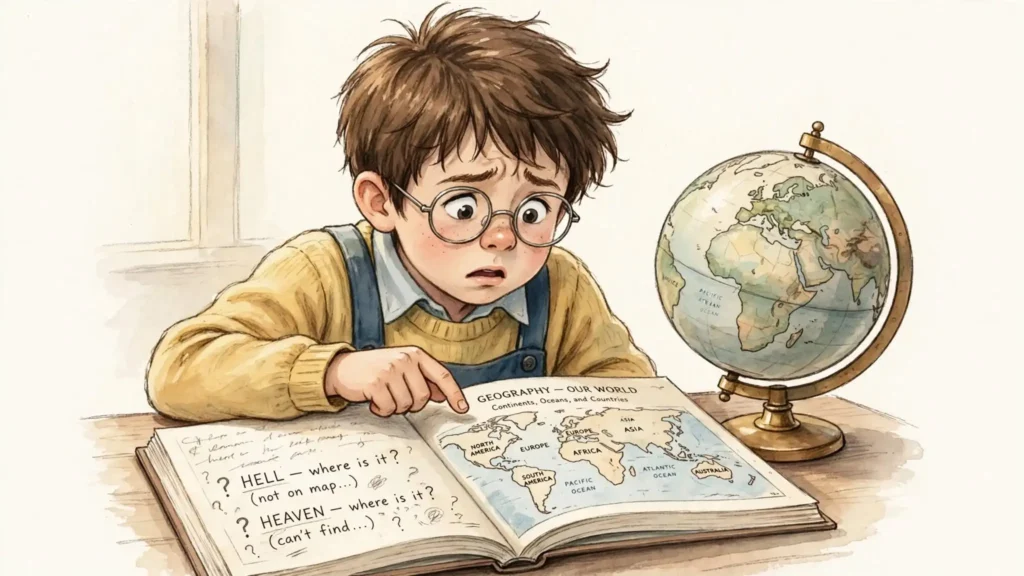
He also wonders if he lost his childhood when he realised that Hell and Heaven are only imaginary concepts. They are not real places which can be found in a Geography book. If they are not on the map, they do not exist.
This shows his shift from blind faith to rational thinking. This loss of innocence is the loss of childhood.
कवि भ्रमित है और खुद से पूछता है – मेरा बचपन कब चला गया?
वह अनुमान लगाता है – क्या यह तब था जब वह ग्यारह साल का नहीं रहा? ग्यारह साल वह उम्र है जब हम परिपक्व होने लगते हैं।
वह यह भी सोचता है कि क्या उसने अपना बचपन तब खो दिया जब उसे एहसास हुआ कि नर्क और स्वर्ग केवल काल्पनिक अवधारणाएँ हैं। वे वास्तविक स्थान नहीं हैं जो भूगोल की किताब में मिल सकें। यदि वे नक्शे पर नहीं हैं, तो उनका अस्तित्व नहीं है।
यह उसके अंधविश्वास से तर्कपूर्ण सोच की ओर बदलाव को दर्शाता है। मासूमियत का यही खोना बचपन का खोना है।
Stanza-2
When did my childhood go?——————————–Was that the day!
1. Important Words Meaning
| Word | English Meaning | Hindi Meaning |
| Realised | Came to know, understood | महसूस किया, समझा |
| Seemed | Appeared to be | प्रतीत होना, लगना |
| Talked of love | Spoke about love | प्यार के बारे में बात करना |
| Preached of love | Gave sermons / taught about love | प्यार का उपदेश देना |
| Act lovingly | Behave with love and care | प्यार से व्यवहार करना |
Reference
These lines have been taken from the poem ‘Childhood’ written by Markus Natten.
ये पंक्तियाँ मार्कस नैटन द्वारा लिखित कविता ‘Childhood’ से ली गई हैं।
Context
In the first stanza the poet talked about losing faith in Hell and Heaven. In this stanza he talks about the second stage of growing up – when he understood the hypocrisy of adult people.
पहले पद्य में कवि ने नर्क और स्वर्ग में विश्वास खोने की बात की थी। इस पद्य में वह बड़े होने के दूसरे चरण के बारे में बात करता है – जब उसने वयस्क लोगों के पाखंड को समझा।
Explanation
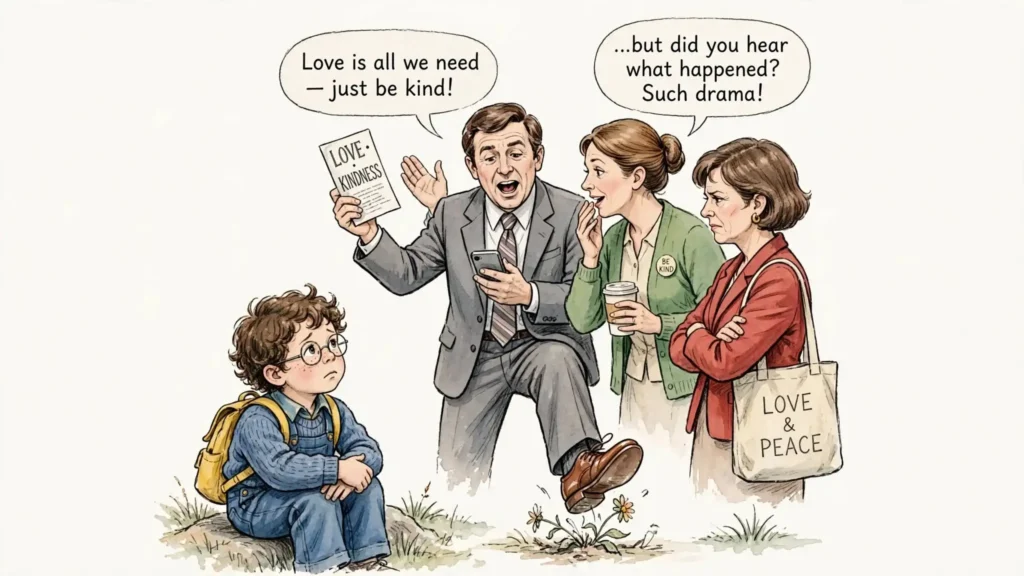
The poet again asks the same question – When did his childhood go? He wonders if his childhood ended when he realised that adults are not what they appear to be. As a child he thought all adults were honest and truthful. He noticed that adults talk a lot about love and they preach about love, but in real life they do not behave lovingly. Their actions are full of selfishness and hatred. This experience taught him that there is a difference between saying and doing. Understanding this double-faced nature of adults was another step towards losing his innocence and becoming an adult.
कवि फिर से वही सवाल पूछता है – उसका बचपन कब चला गया? वह सोचता है कि क्या उसका बचपन तब खत्म हो गया जब उसे एहसास हुआ कि वयस्क जैसे दिखते हैं वैसे होते नहीं हैं। बचपन में वह सोचता था कि सभी वयस्क ईमानदार और सच्चे होते हैं। उसने देखा कि वयस्क प्यार के बारे में बहुत बातें करते हैं और प्यार का उपदेश देते हैं, लेकिन वास्तविक जीवन में वे प्यार से व्यवहार नहीं करते। उनके कार्य स्वार्थ और नफरत से भरे होते हैं। इस अनुभव ने उसे सिखाया कि कहने और करने में अंतर होता है। वयस्कों के इस दोहरे चरित्र को समझना उसकी मासूमियत खोने और वयस्क बनने की दिशा में एक और कदम था।
Stanza-3
When did my childhood go?—————-and mine alone Was that the day!
1. Important Words Meaning
| Word | English Meaning | Hindi Meaning |
| Found | Discovered, realized | पाया, महसूस किया |
| Whichever way | However I want / In any manner | जिस तरह से मैं चाहूँ |
| Choose | To select, to decide | चुनना, तय करना |
| Producing | Creating, forming | पैदा करना, बनाना |
| Thoughts | Ideas in the mind | विचार |
Reference
These lines are taken from the poem ‘Childhood’ written by Markus Natten.
ये पंक्तियाँ मार्कस नैटन द्वारा लिखित कविता ‘Childhood’ से ली गई हैं।
Context
After talking about rational thinking and understanding adult hypocrisy, the poet now talks about the third and final stage of losing his childhood – when he became an independent thinker.
तार्किक सोच और वयस्कों के पाखंड को समझने के बाद, कवि अब अपने बचपन को खोने के तीसरे और अंतिम चरण के बारे में बात करता है – जब वह एक स्वतंत्र विचारक बन गया।
Explanation
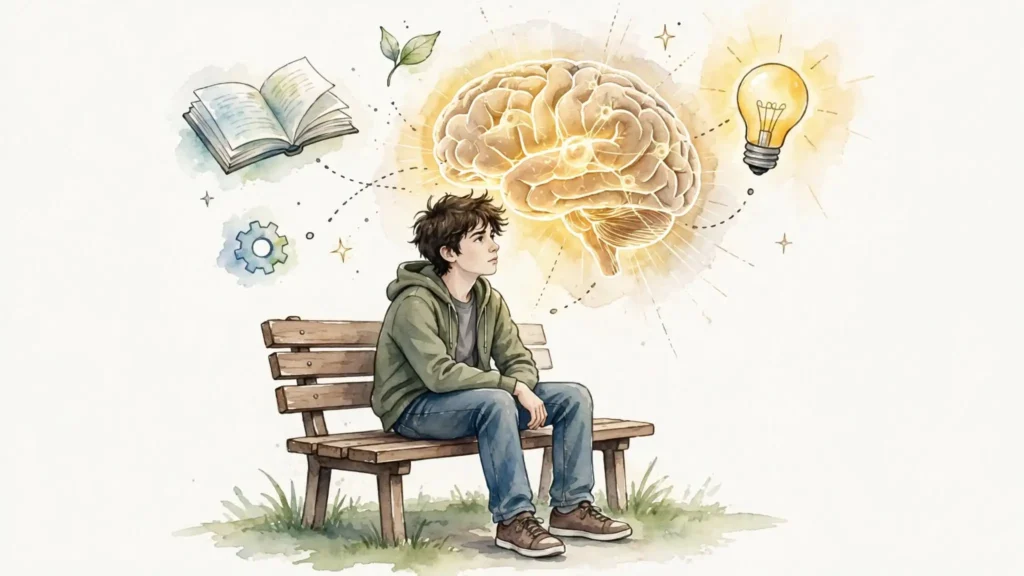
The poet asks again – Did his childhood go when he discovered that his mind belongs only to him? He realised that he can use his mind in any way he wants to. He is free to think whatever he likes. Earlier his thoughts were influenced by others – parents, teachers and elders. But now he started producing his own thoughts, which were completely his own and different from others. This individuality and self-confidence is the sign of full maturity. When a person starts thinking independently, his childhood truly ends.
कवि फिर से पूछता है – क्या उसका बचपन तब चला गया जब उसने पाया कि उसका दिमाग केवल उसी का है? उसे एहसास हुआ कि वह अपने दिमाग का उपयोग जैसे चाहे वैसे कर सकता है। वह जो चाहे सोचने के लिए स्वतंत्र है। पहले उसके विचार दूसरों से प्रभावित होते थे – माता-पिता, शिक्षक और बड़ों से। लेकिन अब उसने अपने स्वयं के विचारों को बनाना शुरू कर दिया, जो पूरी तरह से उसके अपने थे और दूसरों से अलग थे। यह व्यक्तित्व और आत्मविश्वास पूर्ण परिपक्वता की निशानी है। जब कोई व्यक्ति स्वतंत्र रूप से सोचना शुरू करता है, तो उसका बचपन सच में खत्म हो जाता है।
Stanza-4
Where did my childhood go?——-an infant’s face, That’s all I know.
1. Important Words Meaning
| Word | English Meaning | Hindi Meaning |
| Forgotten place | A place which is not remembered | भूली हुई जगह |
| Hidden | Kept out of sight, concealed | छिपा हुआ |
| Infant | A very small baby | शिशु, छोटा बच्चा |
| That’s all I know | This is the only thing I know | मैं बस इतना ही जानता हूँ |
Reference
These lines have been taken from the poem ‘Childhood’ written by Markus Natten.
ये पंक्तियाँ मार्कस नैटन द्वारा लिखित कविता ‘Childhood’ से ली गई हैं।
Context
In the first three stanzas the poet asked ‘When’ did his childhood go. In this last stanza he asks ‘Where’ did it go and finally tries to answer the question.
पहले तीन पद्यों में कवि ने पूछा था कि उसका बचपन ‘कब’ गया। इस अंतिम पद्य में वह पूछता है कि वह ‘कहाँ’ गया और अंत में इस प्रश्न का उत्तर देने की कोशिश करता है।
Explanation
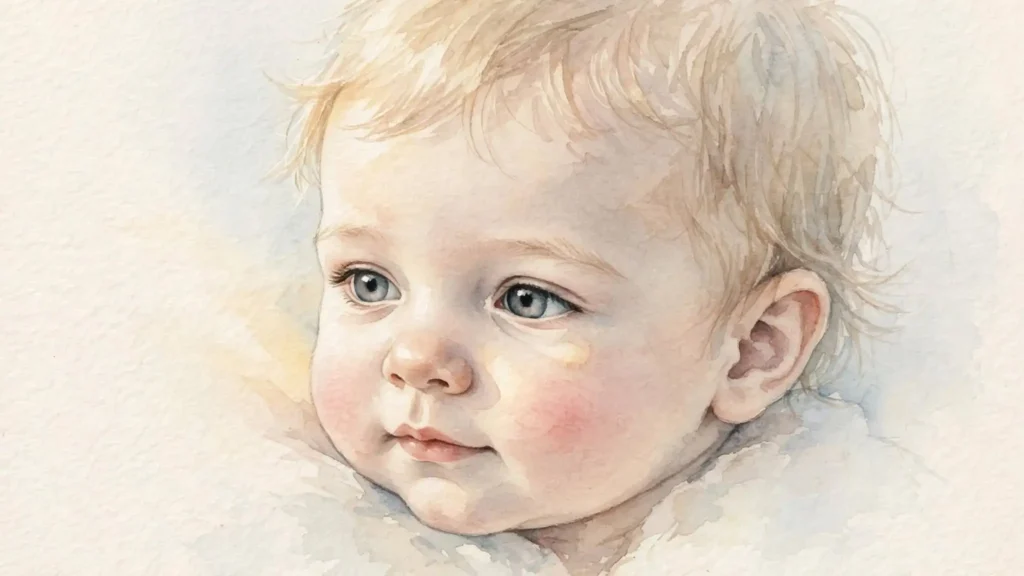
The poet changes his question from ‘When’ to ‘Where’. Now he wants to know the place where his childhood has gone. He answers that it has gone to some forgotten place which he cannot find. It is no longer with him. He says that childhood is hidden in the innocent face of an infant.
When we look at a small baby’s innocent face, we can see our lost childhood there. Childhood has not died, it just keeps shifting from one generation to another. In the last line, the poet shows his helplessness. He says that is all he knows, he cannot say more than this.
वह उत्तर देता है कि यह किसी भूली हुई जगह पर चला गया है जिसे वह ढूंढ नहीं सकता। यह अब उसके साथ नहीं है। कवि अपने प्रश्न को ‘कब’ से बदलकर ‘कहाँ’ कर देता है। अब वह जानना चाहता है कि उसका बचपन किस जगह चला गया है। वह कहता है कि बचपन एक शिशु के मासूम चेहरे में छिपा हुआ है।
जब हम एक छोटे बच्चे के मासूम चेहरे को देखते हैं, तो हम वहाँ अपना खोया हुआ बचपन देख सकते हैं। बचपन मरा नहीं है, यह बस एक पीढ़ी से दूसरी पीढ़ी में जाता रहता है। अंतिम पंक्ति में कवि अपनी असहायता दिखाता है। वह कहता है कि वह बस इतना ही जानता है, वह इससे ज्यादा नहीं कह सकता।
Childhood Poem Class 11 Questions and Answers
Think it out – NCERT Exercise
Q. 1. Identify the stanza that talks of each of the following – individuality, rationalism, hypocrisy.
उस पद्य को पहचानिए जो निम्नलिखित में से प्रत्येक के बारे में बात करता है – व्यक्तित्व, तर्कवाद, पाखंड।
Ans.
- Rationalism – Stanza 1 – The poet realises that Hell and Heaven are not found in Geography.
तर्कवाद – पद्य 1 – कवि को एहसास होता है कि नर्क और स्वर्ग भूगोल में नहीं मिलते। - Hypocrisy – Stanza 2 – Adults talk of love but do not act lovingly.
पाखंड – पद्य 2 – वयस्क प्यार की बात करते हैं लेकिन प्यार से व्यवहार नहीं करते। - Individuality – Stanza 3 – The poet finds his own mind and his own thoughts.
व्यक्तित्व – पद्य 3 – कवि अपना खुद का दिमाग और अपने खुद के विचार पाता है।
Q. 2. What according to the poem is involved in the process of growing up?
कविता के अनुसार बड़े होने की प्रक्रिया में क्या-क्या शामिल है?
Ans.
According to the poem, growing up involves three stages – 1. Development of rational thinking and leaving blind faith, 2. Understanding the hypocrisy of adults, 3. Becoming independent and having one’s own thoughts and individuality.
कविता के अनुसार, बड़े होने में तीन चरण शामिल हैं – 1. तर्कपूर्ण सोच का विकास और अंधविश्वास को छोड़ना, 2. वयस्कों के पाखंड को समझना, 3. स्वतंत्र बनना और अपने विचारों और व्यक्तित्व का होना।
Q. 3. What is the poet’s feeling towards childhood?
बचपन के प्रति कवि की क्या भावना है?
Ans.
The poet feels nostalgic and sad about losing his childhood. He wants to know when and where it went. He respects the innocence of childhood and knows it still exists in an infant’s face.
कवि अपने बचपन को खोने के बारे में उदासीन और दुखी महसूस करता है। वह जानना चाहता है कि यह कब और कहाँ चला गया। वह बचपन की मासूमियत का सम्मान करता है और जानता है कि यह अभी भी एक शिशु के चेहरे में मौजूद है।
Q. 4. Which do you think are the most poetic lines? Why?
आपके अनुसार सबसे काव्यात्मक पंक्तियाँ कौन सी हैं? क्यों?
Ans.
The most poetic lines are – “It went to some forgotten place, / That’s hidden in an infant’s face,”. These lines are very beautiful and touching because they show that childhood never dies, it just hides in the innocence of a small child.
सबसे काव्यात्मक पंक्तियाँ हैं – “It went to some forgotten place, / That’s hidden in an infant’s face,”। ये पंक्तियाँ बहुत सुंदर और मार्मिक हैं क्योंकि ये दर्शाती हैं कि बचपन कभी मरता नहीं है, यह बस एक छोटे बच्चे की मासूमियत में छिप जाता है।
Childhood Poem Class 11 Important Question Answers
Childhood poem Class 11 Short Answer Questions
Q. 1. What is the main theme of the poem Childhood?
कविता Childhood का मुख्य विषय क्या है?
Ans.
The main theme is the loss of innocence and the process of growing up. The poet shows how a child slowly becomes an adult by gaining rational thinking, individuality and understanding the world.
मुख्य विषय मासूमियत का खोना और बड़े होने की प्रक्रिया है। कवि दिखाता है कि कैसे एक बच्चा धीरे-धीरे तर्कपूर्ण सोच, व्यक्तित्व और दुनिया को समझ कर वयस्क बन जाता है।
Q. 2. How does the poet realize that he has become an adult?
कवि को कैसे एहसास होता है कि वह वयस्क बन गया है?
Ans.
The poet realizes he has become an adult when he starts thinking logically, questions blind beliefs, understands adult hypocrisy and starts thinking independently with his own mind.
कवि को एहसास होता है कि वह वयस्क बन गया है जब वह तार्किक रूप से सोचना शुरू करता है, अंधविश्वासों पर सवाल उठाता है, वयस्कों के पाखंड को समझता है और अपने दिमाग से स्वतंत्र रूप से सोचना शुरू करता है।
Q. 3. Why does the poet say “Hell and Heaven could not be found in Geography”?
कवि क्यों कहता है कि “नर्क और स्वर्ग भूगोल में नहीं मिले”?
Ans.
As a child the poet believed Hell and Heaven are real places. When he studied Geography, he could not find them on the map. So he understood they are imaginary concepts created by religion, not real places.
बचपन में कवि मानता था कि नर्क और स्वर्ग वास्तविक स्थान हैं। जब उसने भूगोल पढ़ा, तो वह उन्हें नक्शे पर नहीं ढूंढ सका। इसलिए उसने समझा कि वे धर्म द्वारा बनाई गई काल्पनिक अवधारणाएँ हैं, वास्तविक स्थान नहीं।
Q. 4. What does the poet mean by “adults were not all they seemed to be”?
“वयस्क जैसे दिखते थे वैसे नहीं थे” से कवि का क्या मतलब है?
Ans.
It means adults are hypocrites. They say one thing and do another. They talk of love but their behaviour is not loving. As a child the poet trusted them blindly, but as an adult he saw their reality.
इसका अर्थ है कि वयस्क पाखंडी होते हैं। वे कहते कुछ हैं और करते कुछ और हैं। वे प्यार की बात करते हैं लेकिन उनका व्यवहार प्यार भरा नहीं होता। बचपन में कवि उन पर आँख बंद करके भरोसा करता था, लेकिन वयस्क होने पर उसने उनकी वास्तविकता देखी।
Q. 5. Explain “my mind was really mine”.
“मेरा दिमाग वास्तव में मेरा था” की व्याख्या कीजिए।
Ans.
It means the poet’s thoughts were no longer influenced by others. He could think independently, make his own decisions and have his own opinions. This independence is the final stage of adulthood.
इसका अर्थ है कि कवि के विचार अब दूसरों से प्रभावित नहीं थे। वह स्वतंत्र रूप से सोच सकता था, अपने फैसले खुद ले सकता था और अपनी राय रख सकता था। यह स्वतंत्रता वयस्कता का अंतिम चरण है।
Q. 6. Where does the poet think his childhood has gone?
कवि के अनुसार उसका बचपन कहाँ चला गया है?
Ans.
The poet thinks his childhood has gone to some forgotten place and it is now hidden in the innocent face of an infant. Childhood does not die, it lives in every small child.
कवि सोचता है कि उसका बचपन किसी भूली हुई जगह पर चला गया है और अब वह एक शिशु के मासूम चेहरे में छिपा हुआ है। बचपन मरता नहीं है, यह हर छोटे बच्चे में रहता है।
Q. 7. Is growing up a single moment or a slow process? Explain from the poem.
क्या बड़े होना एक क्षण है या एक धीमी प्रक्रिया? कविता से समझाइए।
Ans.
Growing up is a slow process, not a single moment. The poet shows it happens in stages – first rationalism at age 11, then understanding hypocrisy, then getting individuality. It takes many years.
बड़े होना एक धीमी प्रक्रिया है, एक क्षण नहीं। कवि दिखाता है कि यह चरणों में होता है – पहले 11 साल की उम्र में तर्कवाद, फिर पाखंड को समझना, फिर व्यक्तित्व प्राप्त करना। इसमें कई साल लगते हैं।
8. What is the central idea of the poem Childhood?
Ans.
The poem deals with the loss of childhood innocence and the process of growing up. The poet wonders when his childhood ended. He identifies three important changes: developing rational thinking, recognising the hypocrisy of adults, and developing an independent mind. The poem suggests that growing up means moving from innocence and dependence to reason, awareness and individuality.
कविता का मुख्य विषय बचपन की मासूमियत का समाप्त होना और बड़े होने की प्रक्रिया है। कवि सोचता है कि उसका बचपन कब समाप्त हुआ। वह तीन महत्वपूर्ण बदलावों को पहचानता है—तार्किक सोच का विकास, बड़ों के पाखंड को समझना और स्वतंत्र सोच का विकास।
Childhood Poem Class 11 Long Answer Questions
1. How does the poet describe the process of growing up in the poem?
Answer:
The poet presents growing up as a gradual process of losing innocence and gaining awareness. First, he develops rational thinking and realises that Hell and Heaven cannot be found on a geographical map. Then he becomes aware of the hypocrisy of adults, who talk about love but do not always behave lovingly. Finally, he discovers his individuality and understands that his mind is his own. He can think independently and form his own opinions. Thus, growing up involves the development of reason, awareness and individuality.
कवि बड़े होने की प्रक्रिया को मासूमियत खोने और जागरूकता प्राप्त करने की क्रमिक प्रक्रिया के रूप में प्रस्तुत करता है। पहले उसमें तार्किक सोच विकसित होती है। फिर वह बड़ों के पाखंड को पहचानता है। अंत में उसे अपनी स्वतंत्र सोच और व्यक्तित्व का एहसास होता है। इस प्रकार, बड़ा होना तर्क, जागरूकता और स्वतंत्र व्यक्तित्व के विकास से जुड़ा है।
2.Explain the significance of the line “That’s hidden in an infant’s face.”
Answer:
The line is significant because an infant represents innocence, purity and simplicity. The poet feels that his own childhood has disappeared and cannot be recovered. However, the qualities of childhood still exist in infants. By saying that childhood is hidden in an infant’s face, the poet beautifully suggests that innocence continues to exist in every new generation.
यह पंक्ति महत्वपूर्ण है क्योंकि शिशु मासूमियत, पवित्रता और सरलता का प्रतीक है। कवि महसूस करता है कि उसका अपना बचपन समाप्त हो चुका है और उसे वापस प्राप्त नहीं किया जा सकता। फिर भी बचपन की मासूमियत शिशुओं में मौजूद रहती है। कवि इस सुंदर कल्पना के माध्यम से बताता है कि बचपन की मासूमियत हर नई पीढ़ी में बनी रहती है।
3.What message does the poem Childhood convey?
Answer:
The poem conveys that growing up is not merely becoming older; it is a change in one’s way of thinking. As people grow, they develop reason, question accepted beliefs, recognise contradictions in society and form their own opinions. Childhood innocence is lost in this process, but it is an essential part of becoming a mature and independent individual.
कविता का संदेश है कि बड़ा होना केवल उम्र बढ़ना नहीं है, बल्कि सोचने के तरीके में परिवर्तन आना है। उम्र के साथ व्यक्ति तर्क करना, प्रचलित मान्यताओं पर प्रश्न उठाना, समाज की विसंगतियों को समझना और अपने विचार बनाना सीखता है। इस प्रक्रिया में बचपन की मासूमियत खो जाती है, लेकिन यह परिपक्व और स्वतंत्र व्यक्ति बनने का आवश्यक हिस्सा है।
4.How does Markus Natten present the conflict between childhood innocence and adult maturity?
Answer:
Markus Natten presents this conflict through the poet’s changing understanding of the world. As a child, he accepts ideas and people without questioning them. With maturity, he begins to question religious concepts, notices the hypocrisy of adults and develops independent thoughts. Thus, the poem presents childhood as a period of innocence and adulthood as a period of reason, awareness and individuality.
मार्कस नैटन इस संघर्ष को कवि की बदलती हुई दुनिया की समझ के माध्यम से प्रस्तुत करते हैं। बचपन में वह बिना प्रश्न किए बातों और लोगों पर विश्वास करता है। परिपक्व होने पर वह धार्मिक धारणाओं पर प्रश्न करता है, बड़ों के पाखंड को पहचानता है और स्वतंत्र विचार विकसित करता है। इस प्रकार, कविता में बचपन को मासूमियत और वयस्कता को तर्क, जागरूकता और स्वतंत्र व्यक्तित्व के रूप में प्रस्तुत किया गया है।
Childhood Poem Class 11 Free PDF
Childhood Poem Class 11 की Free PDF आप info@niyans.com पर email भेज कर प्राप्त कर सकते है | Subject में लिखे – Childhood Poem PDF
Related Posts
The Laburnum Top – Complete Explanation, Hindi & English Notes and Important Question Answers
A Photograph – Complete Explanation, Hindi Meaning & Important Question Answers
The Voice of the Rain – Easy Explanation, Hindi Meaning & Important Questions