
Memories of Childhood Questions and Answers – Class 12
Memories of Childhood Questions and Answers Class 12 English Flamingo विद्यार्थियों के लिए एक महत्वपूर्ण study resource है। इस पाठ में Zitkala-Sa और Bama के बचपन के अनुभवों के माध्यम से भेदभाव, अन्याय, छुआछूत, सांस्कृतिक दमन, आत्मसम्मान और शिक्षा के महत्व को प्रस्तुत किया गया है। इस पोस्ट में आपको important MCQs, short answer questions और long answer questions के साथ आसान explanations और Hindi translations मिलेंगे, जो पाठ को बेहतर ढंग से समझने और परीक्षा की तैयारी करने में मदद करेंगे।
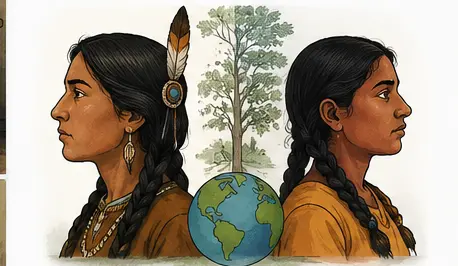
Memories of Childhood is a prose lesson from the Class 12 English textbook Flamingo. It contains two autobiographical accounts by Zitkala-Sa and Bama, two women who experienced social discrimination during their childhood. Though they belonged to different cultures and backgrounds, both suffered because of discrimination and fought against it with courage and self-respect.
बचपन की यादें कक्षा 12 की अंग्रेजी पाठ्यपुस्तक Flamingo से एक गद्य पाठ है। इसमें ज़िटकला-सा और बामा के दो आत्मकथात्मक खाते हैं, दो महिलाएं जिन्होंने अपने बचपन के दौरान सामाजिक भेदभाव का अनुभव किया था। हालांकि वे अलग-अलग संस्कृतियों और पृष्ठभूमि से थे, लेकिन दोनों ने भेदभाव के कारण कष्ट झेले और साहस और आत्मसम्मान के साथ इसके खिलाफ लड़ाई लड़ी। Related Posts-The Third Level Class 12 English Question Answers, Summary & MCQs (Hindi + English) – Best Study Material
Table of Contents
1. The Cutting of My Long Hair – Zitkala-Sa
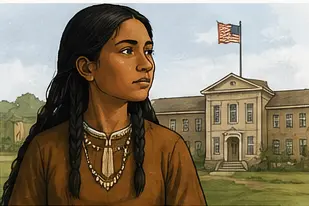
- Zitkala-Sa, a Native American girl, was sent to a boarding school run by white people.
- जिटकला-सा एक मूल अमेरिकी लड़की थी, जिसे श्वेत लोगों द्वारा चलाए जा रहे एक बोर्डिंग स्कूल में भेजा गया था।
- She came to know that the school authorities wanted to cut her hair.
- उसे पता चला कि स्कूल के अधिकारी उसके बाल काटना चाहते थे।
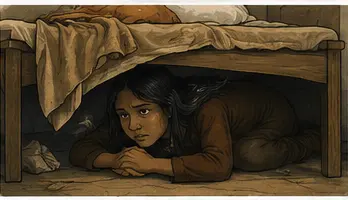
- She hid under the bed to save her hair.अपने बालों को बचाने के लिए वह बिस्तर के नीचे छिप गई।
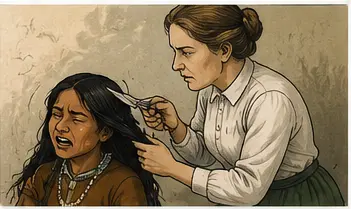
- The authorities found her and forcibly cut her long hair. She felt humiliated and helpless.
- अधिकारियों ने उसे ढूँढ़ लिया और उसके लंबे बाल जबरदस्ती काट दिए। उसे अपमानित और असहाय महसूस हुआ।
- Hair-cutting was not just the cutting of her hair; it was an attempt to destroy her culture, identity and self-respect.
- बाल काटना केवल उसके बाल काटना नहीं था; यह उसकी संस्कृति, पहचान और आत्मसम्मान को नष्ट करने का प्रयास था।
2. We Too Are Human Beings – Bama
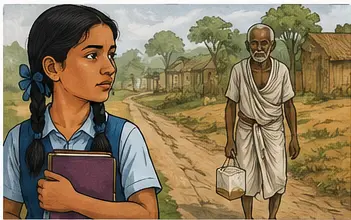
- Bama, a Tamil Dalit girl, saw an elderly man carrying a food packet by its string.
- बामा, एक तमिल दलित लड़की, ने एक वृद्ध व्यक्ति को खाने का पैकेट उसकी डोरी से पकड़े हुए देखा।
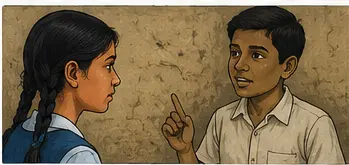
- Her brother explained that he was a Dalit and was not allowed to touch the packet directly.
- उसके भाई ने समझाया कि वह एक दलित था और उसे पैकेट को सीधे छूने की अनुमति नहीं थी।
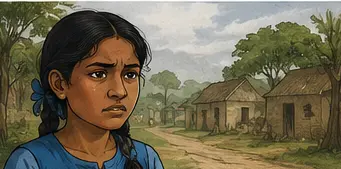
- Bama was shocked and angry when she learnt about this caste discrimination.
- जातिगत भेदभाव के बारे में जानकर बामा स्तब्ध और क्रोधित हो गई।
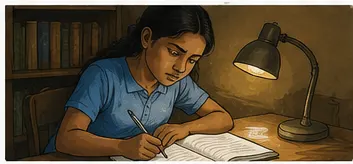
- Her brother advised her to study hard and progress in life.
- उसके भाई ने उसे खूब पढ़ने और जीवन में आगे बढ़ने की सलाह दी।
3. Memories of Childhood Common Themes
- Discrimination
- भेदभाव
- Identity and Dignity
- पहचान और सम्मान
- Courage and Resistance
- साहस और विरोध
- Education and Self-Respect
- शिक्षा और आत्मसम्मान
- Equality and Human Rights
- समानता और मानव अधिकार
4. Memories of Childhood Common Message
- Discrimination is inhuman and unjust.
- भेदभाव अमानवीय और अन्यायपूर्ण है।
- It hurts the dignity of individuals.
- यह व्यक्तियों के सम्मान को ठेस पहुँचाता है।
- Education, courage and self-respect help us fight against injustice and build a better society.
- शिक्षा, साहस और आत्मसम्मान हमें अन्याय के विरुद्ध लड़ने और एक बेहतर समाज बनाने में सहायता करते हैं।
5.Memories of Childhood Central Message
- We all are human beings.
- हम सभी मनुष्य हैं।
- We all deserve respect and equality.
- हम सभी सम्मान और समानता के हकदार हैं।
- The lesson teaches us to respect every individual regardless of race, caste, culture or social status.
- यह पाठ हमें सिखाता है कि नस्ल, जाति, संस्कृति या सामाजिक स्थिति की परवाह किए बिना प्रत्येक व्यक्ति का सम्मान करना चाहिए।
Memories of Childhood Questions and Answers-MCQS
- Who followed the girls into the dining room?
लड़कियों के पीछे भोजन-कक्ष में कौन आई?
a) A Native American woman
b) A paleface woman with white hair
c) Zitkala-Sa’s mother
d) A school girl
Answer: b) A paleface woman with white hair - What did the Indian girls wear?
a) Loose dresses and sandals
b) Stiff shoes and tightly fitting dresses
c) Traditional clothes
d) School uniforms with caps
Answer: b) Stiff shoes and tightly fitting dresses - What did the small girls wear?
छोटी लड़कियाँ क्या पहनती थीं?
a) Shawls
b) Coats
c) Sleeved aprons
d) Blankets
Answer: c) Sleeved aprons - What kind of shoes was Zitkala-Sa wearing?
जिटकला-सा किस प्रकार के जूते पहने हुए थी?
a) Stiff shoes
b) Leather boots
c) Soft moccasins
मुलायम मोकासिन जूते
d) Sandals
Answer: c) Soft moccasins - What did the pupils do when the first bell was tapped?
पहली घंटी बजने पर विद्यार्थियों ने क्या किया?
a) They began eating
b) They stood up
c) They drew their chairs from under the table
d) They left the dining room
Answer: c) They drew their chairs from under the table - Why did Zitkala-Sa sit down after the first bell?
पहली घंटी के बाद जिटकला-सा क्यों बैठ गई?
a) She was tired
b) She misunderstood the meaning of the action
c) The teacher told her to sit
d) She wanted to hide
Answer: b) She misunderstood the meaning of the action - What did Zitkala-Sa realise after sitting down?
a) She was in the wrong room
b) She was the only one seated
c) Everyone had started eating
d) The teacher had left
Answer: b) She was the only one seated - What happened when the second bell was sounded?
दूसरी घंटी बजने पर क्या हुआ?
a) Everyone stood up
b) Everyone left the room
c) All were seated
d) Everyone began eating
Answer: c) All were seated - What did everyone do when the third bell was tapped?
तीसरी घंटी बजने पर सभी ने क्या किया?
a) They stood up
b) They picked up their knife and fork and began eating
c) They prayed
d) They left the dining room
Answer: b) They picked up their knife and fork and began eating - Why did Zitkala-Sa begin crying?
a) She was hungry
b) She missed her friends
c) She was afraid of making another mistake
d) She disliked the food
Answer: c) She was afraid of making another mistake - Who warned Zitkala-Sa about the cutting of their hair?
जिटकला-सा को बाल काटे जाने के बारे में किसने चेतावनी दी?
a) Her mother
b) Judewin
c) The paleface woman
d) A teacher
Answer: b) Judewin - Who was Judewin?
a) Zitkala-Sa’s mother
b) Zitkala-Sa’s friend
c) A teacher at the Carlisle Indian School
d) A white woman who cut the girls’ hair
Answer: b) Zitkala-Sa’s friend - Why was Judewin able to understand the paleface woman?
a) She knew English
उसे अंग्रेज़ी आती थी।
b) She was a teacher
c) She had lived with white people
d) She was translating for the girls
Answer: a) She knew English - What did short hair signify among Zitkala-Sa’s people?
जिटकला-सा के लोगों में छोटे बाल किस बात का संकेत थे?
a) Happiness
b) Mourning
c) Wealth
d) Education
Answer: b) Mourning - What did shingled hair signify among her people?
उसके लोगों में बहुत छोटे काटे गए बाल किस बात का संकेत थे?
a) Courage
b) Wisdom
c) Cowardice
d) Leadership
Answer: c) Cowardice - Where did Zitkala-Sa hide?
a) Behind a curtain
b) Under a table
c) Under a bed
d) In a classroom
Answer: c) Under a bed - Why did Zitkala-Sa hide under the bed?
जिटकला-सा बिस्तर के नीचे क्यों छिपी?
a) She wanted to sleep
b) She wanted to escape from the people who planned to cut her hair
c) She was playing a game
d) She was looking for her shoes
Answer: b) She wanted to escape from the people who planned to cut her hair - What did the shingling of Zitkala-Sa’s hair symbolise?
जिटकला-सा के बाल छोटे काटे जाने से क्या प्रतीकात्मक अर्थ निकलता है?
a) Her success
b) Her acceptance of the school
c) The humiliation and suppression of her cultural identity
उसकी सांस्कृतिक पहचान का अपमान और दमन
d) Her friendship with the authorities
Answer: c) The humiliation and suppression of her cultural identity - What does “wooden puppet” suggest?
“Wooden puppet” किस बात का संकेत करता है?
a) She was treated as an object without free will
b) She was given a toy
c) She was playing with dolls
d) She liked wooden toys
Answer: a) She was treated as an object without free will - What was Zitkala-Sa’s real name?
जिटकला-सा का वास्तविक नाम क्या था?
a) Gertrude Simmons Bonnin
b) Judewin Simmons
c) Gertrude Bama
d) Zitkala Bonnin
Answer: a) Gertrude Simmons Bonnin - When was Gertrude Simmons Bonnin born?
जेरट्रूड सिमन्स बोनिन का जन्म कब हुआ था?
a) 1870
b) 1876
c) 1880
d) 1900
Answer: b) 1876 - What does “shingled hair” mean?
“Shingled hair” का क्या अर्थ है?
a) Long braided hair
b) Hair decorated with beads
c) Hair cut very short
d) Untied hair
Answer: c) Hair cut very short - What does “shuddering” mean?
“Shuddering” का क्या अर्थ है?
a) Laughing loudly
b) Trembling with fear or shock
भय या सदमे से काँपना
c) Walking quickly
d) Crying silently
Answer: b) Trembling with fear or shock
Memories of Childhood Questions and Answers -Short answer type
- Who was Zitkala-Sa?
जिटकला-सा कौन थीं?
Answer:
Zitkala-Sa was the pen name of Gertrude Simmons Bonnin, a Native American writer and activist who opposed the oppression of Native American people.
जिटकला-सा Gertrude Simmons Bonnin का उपनाम था। वह एक Native American लेखिका और कार्यकर्ता थीं, जिन्होंने Native American लोगों के उत्पीड़न का विरोध किया। - Why did Zitkala-Sa feel uncomfortable at the boarding school?
बोर्डिंग स्कूल में जिटकला-सा को असहज क्यों महसूस हुआ?
Answer:
She felt uncomfortable because everything at the school was unfamiliar, strict and against the customs and traditions of her Native American culture.
वह असहज महसूस करती थीं क्योंकि स्कूल की हर चीज़ उनके लिए अपरिचित और कठोर थी तथा उनकी Native American संस्कृति की परंपराओं के विरुद्ध थी। - Why did Zitkala-Sa resist having her hair cut?
जिटकला-सा ने अपने बाल कटवाने का विरोध क्यों किया?
Answer:
In her culture, long hair was a symbol of dignity. Short hair was worn by mourners, while shingled hair was associated with cowards and captured warriors. Therefore, she strongly resisted having her hair cut.
उनकी संस्कृति में लंबे बाल गरिमा के प्रतीक थे। छोटे बाल शोक मनाने वालों द्वारा रखे जाते थे, जबकि कटे हुए बाल कायरों और बंदी बनाए गए योद्धाओं से जुड़े थे। इसलिए उन्होंने बाल कटवाने का कड़ा विरोध किया। - Who was Judewin?
जूडविन कौन थी?
Answer:
Judewin was Zitkala-Sa’s friend at the boarding school. She knew a few words of English and warned Zitkala-Sa that the authorities planned to cut their long hair.
जूडविन बोर्डिंग स्कूल में जिटकला-सा की मित्र थी। उसे अंग्रेज़ी के कुछ शब्द आते थे और उसने जिटकला-सा को चेतावनी दी कि स्कूल के अधिकारी उनके लंबे बाल काटने वाले हैं। - What did Judewin tell Zitkala-Sa about the cutting of their hair?
जूडविन ने जिटकला-सा को उनके बाल काटे जाने के बारे में क्या बताया?
Answer:
Judewin told her that she had overheard a paleface woman talking about cutting their long, heavy hair.
जूडविन ने बताया कि उसने एक गोरी महिला को उनके लंबे और घने बाल काटने के बारे में बात करते हुए सुना था। - Why did Zitkala-Sa hide under the bed?
जिटकला-सा बिस्तर के नीचे क्यों छिप गई?
Answer:
She hid under the bed to escape from the school authorities who were searching for her to cut her hair.
वह स्कूल के अधिकारियों से बचने के लिए बिस्तर के नीचे छिप गई, जो उसके बाल काटने के लिए उसे खोज रहे थे। - How did Zitkala-Sa try to resist the cutting of her hair?
जिटकला-सा ने अपने बाल काटे जाने का विरोध कैसे किया?
Answer:
She refused to submit, hid under a bed and resisted fiercely when the women found and dragged her out.
उन्होंने आत्मसमर्पण करने से इनकार कर दिया, बिस्तर के नीचे छिप गईं और जब महिलाओं ने उन्हें ढूँढ़कर बाहर निकाला तो उन्होंने जोरदार विरोध किया। - What happened when Zitkala-Sa was discovered under the bed?
जब जिटकला-सा बिस्तर के नीचे मिलीं तो क्या हुआ?
Answer:
She was dragged out despite her resistance, carried downstairs and tied to a chair. Her long braid was then cut off.
विरोध करने के बावजूद उन्हें बाहर खींच लिया गया, नीचे ले जाकर कुर्सी से बाँध दिया गया और फिर उनकी लंबी चोटी काट दी गई। - How did Zitkala-Sa feel when her hair was cut?
अपने बाल काटे जाने पर जिटकला-सा को कैसा महसूस हुआ?
Answer:
She felt deeply humiliated, helpless and heartbroken. She cried for her mother because no one came to comfort her.
उन्हें बहुत अपमानित, असहाय और दुखी महसूस हुआ। वे अपनी माँ को पुकारकर रोईं क्योंकि उन्हें सांत्वना देने कोई नहीं आया। - Why did Zitkala-Sa cry for her mother?
जिटकला-सा अपनी माँ को पुकारकर क्यों रोईं?
Answer:
She wanted her mother’s comfort and support because she had been forcibly taken away from her and was suffering humiliation at the boarding school.
उन्हें अपनी माँ के स्नेह और सहारे की आवश्यकता थी क्योंकि उन्हें जबरन अपनी माँ से दूर ले जाया गया था और बोर्डिंग स्कूल में अपमान सहना पड़ रहा था। - What does the cutting of Zitkala-Sa’s hair symbolize?
जिटकला-सा के बाल काटे जाने का क्या प्रतीकात्मक अर्थ है?
Answer:
The cutting of her hair symbolizes the suppression of her Native American identity, culture and freedom by the authorities of the boarding school.
उनके बाल काटना बोर्डिंग स्कूल के अधिकारियों द्वारा उनकी Native American पहचान, संस्कृति और स्वतंत्रता को दबाने का प्रतीक है। - What does Zitkala-Sa mean by saying that she was “only one of many little animals driven by a herder”?
जिटकला-सा के यह कहने का क्या अर्थ है कि वह “एक चरवाहे द्वारा हाँके जा रहे कई छोटे जानवरों में से केवल एक” थीं?
Answer:
She means that she was treated like an object or animal rather than an individual human being. She had no freedom to make her own choices.
उनका अर्थ है कि उनके साथ एक स्वतंत्र इंसान के बजाय किसी वस्तु या जानवर जैसा व्यवहार किया गया। उन्हें अपनी पसंद से निर्णय लेने की कोई स्वतंत्रता नहीं थी। - Why did Zitkala-Sa feel that her spirit was struggling for freedom?
जिटकला-सा को क्यों लगा कि उनकी आत्मा स्वतंत्रता के लिए संघर्ष कर रही थी?
Answer:
She was being forced to follow unfamiliar rules and customs and was not allowed to preserve her cultural identity. Therefore, she felt that her freedom was being taken away.
उन्हें अपरिचित नियमों और परंपराओं का पालन करने के लिए मजबूर किया जा रहा था और अपनी सांस्कृतिक पहचान बनाए रखने की अनुमति नहीं थी। इसलिए उन्हें लगा कि उनकी स्वतंत्रता छीनी जा रही है। - Why was the first day at the boarding school a bitter experience for Zitkala-Sa?
बोर्डिंग स्कूल में पहला दिन जिटकला-सा के लिए कड़वा अनुभव क्यों था?
Answer:
Everything was unfamiliar and frightening. She was separated from her familiar culture, subjected to strict rules and finally forced to have her long hair cut.
वहाँ की हर चीज़ अपरिचित और डरावनी थी। उन्हें अपनी परिचित संस्कृति से अलग कर दिया गया, कठोर नियमों का पालन करने के लिए मजबूर किया गया और अंत में उनके लंबे बाल भी जबरन काट दिए गए। - What happened to Zitkala-Sa in the dining room?
डाइनिंग रूम में जिटकला-सा के साथ क्या हुआ?
Answer:
She did not understand the dining rules and sat down at the wrong time. She became confused and frightened and finally began to cry.
उन्हें भोजन करने के नियम समझ में नहीं आए और वे गलत समय पर बैठ गईं। वे भ्रमित और भयभीत हो गईं और अंततः रोने लगीं। - What does the title The Cutting of My Long Hair refer to?
“The Cutting of My Long Hair” शीर्षक किस घटना को संदर्भित करता है?
Answer:
It refers to the forced cutting of Zitkala-Sa’s long hair at the boarding school, an experience that deeply humiliated her and symbolized the suppression of her cultural identity.
यह बोर्डिंग स्कूल में जिटकला-सा के लंबे बाल जबरन काटे जाने की घटना को संदर्भित करता है। इस घटना ने उन्हें गहराई से अपमानित किया और उनकी सांस्कृतिक पहचान के दमन का प्रतीक बनी। - What kind of person was Zitkala-Sa?
जिटकला-सा किस प्रकार की व्यक्ति थीं?
Answer:
She was courageous, self-respecting, sensitive and rebellious. She strongly resisted injustice and the suppression of her cultural identity.
वह साहसी, आत्मसम्मानी, संवेदनशील और विद्रोही स्वभाव की थीं। उन्होंने अन्याय और अपनी सांस्कृतिक पहचान के दमन का दृढ़ता से विरोध किया। - What is the central theme of Zitkala-Sa’s part of Memories of Childhood?
जिटकला-सा के Memories of Childhood वाले भाग का मुख्य विषय क्या है?
Answer:
The central theme is the oppression, cultural suppression and racial discrimination faced by Native Americans in the boarding-school system.
इसका मुख्य विषय बोर्डिंग स्कूल व्यवस्था में Native American लोगों द्वारा झेला गया उत्पीड़न, सांस्कृतिक दमन और नस्लीय भेदभाव है।
Memories of Childhood – Bama’s We Too Are Human Beings-MCQs
In which class was Bama studying when she experienced untouchability?
जब बामा ने छुआछूत का अनुभव किया, तब वह किस कक्षा में पढ़ रही थी?
a) First class
b) Second class
c) Third class
d) Fourth class
Answer: c) Third class
- What had Bama not yet heard people speak openly about?
बामा ने अभी तक लोगों को किस विषय पर खुले तौर पर बात करते हुए नहीं सुना था?
a) Poverty
b) Untouchability
c) Education
d) Religion
Answer: b) Untouchability - Where was Bama going when she witnessed the incident?
घटना को देखते समय बामा कहाँ जा रही थी?
a) To school
b) To the market
c) Home from school
d) To her friend’s house
Answer: c) Home from school - What was hanging from Bama’s shoulder?
बामा के कंधे पर क्या लटका हुआ था?
a) A basket
b) An old bag
c) A school uniform
d) A towel
Answer: b) An old bag - How long could Bama’s walk home actually take?
बामा की घर तक की पैदल यात्रा वास्तव में कितने समय में पूरी हो सकती थी?
a) Five minutes
b) Ten minutes
c) Twenty minutes
d) Thirty minutes
Answer: b) Ten minutes - How long did Bama usually take to reach home?
बामा को आमतौर पर घर पहुँचने में कितना समय लगता था?
a) Ten minutes
b) Twenty minutes
c) At least thirty minutes
d) Two hours
Answer: c) At least thirty minutes - What did Bama enjoy watching on her way home?
घर जाते समय बामा क्या देखना पसंद करती थी?
a) Only the shops
b) Only children playing
c) Fun, games, unusual sights, shops and the bazaar
d) School activities
Answer: c) Fun, games, unusual sights, shops and the bazaar - What attracted Bama on her way home from school?
स्कूल से घर जाते समय बामा को क्या आकर्षित करता था?
a) Only the shops
b) Various entertaining sights and activities
c) Only political speeches
d) Only the temple
Answer: b) Various entertaining sights and activities - What animal did the performer display?
a) A dog
b) A monkey
c) A bear
d) A parrot
Answer: b) A monkey - What did the snakecharmer display?
a) A monkey
b) A snake
c) A lizard
d) A bird
Answer: b) A snake - For how many days had the cyclist not got off his bicycle?
a) One day
b) Two days
c) Three days
d) Four days
Answer: c) Three days - What was hanging in the Maariyaata temple?
a) A flag
b) A huge bell
c) A lamp
d) A garland
Answer: b) A huge bell - What was being cooked in front of the temple?
a) Rice
b) Pongal offerings
c) Sweets
d) Dried fish
Answer: b) Pongal offerings - What was sold near the statue of Gandhi?
a) Clothes
b) Dried fish
c) Books
d) Toys
Answer: b) Dried fish - What did the Narikkuravan hunter-gypsy have in cages?
a) Snakes
b) Wild lemurs
c) Monkeys
d) Birds
Answer: b) Wild lemurs - What did the Narikkuravan sell?
a) Sweets and fruits
b) Needles, clay beads and ear-cleaning instruments
c) Clothes and shoes
d) Books and toys
Answer: b) Needles, clay beads and ear-cleaning instruments - What food item was sold in the bazaar?
a) Payasam
b) Bread only
c) Pizza
d) Noodles
Answer: a) Payasam - What had been set up at the opposite corner of Bama’s street?
a) A playground
b) A threshing floor
c) A school
d) A temple
Answer: b) A threshing floor - Who was watching the threshing proceedings?
a) Bama’s brother
b) A shopkeeper
c) The landlord
d) A teacher
Answer: c) The landlord - Who came from the direction of the bazaar?
a) A shopkeeper
b) An elder of Bama’s street
c) Bama’s brother
d) A landlord
Answer: b) An elder of Bama’s street - What is Vadai?
a) A sweet dish
b) A savoury South Indian fried snack
c) A fruit
d) A drink
Answer: b) A savoury South Indian fried snack - What did Bama guess was inside the packet?
a) Sweets
b) Rice
c) Vadai or green banana bhajji
d) Vegetables
Answer: c) Vadai or green banana bhajji - How did the elder carry the packet?
a) In both hands
b) On his head
c) By its string
d) Under his arm
Answer: c) By its string - Why did the elder not touch the packet directly?
a) The packet was very hot
b) The packet was dirty
c) Because of caste-based untouchability
d) He was afraid of dropping it
Answer: c) Because of caste-based untouchability - To whom did the elder take the packet?
a) Bama
b) His friend
c) The landlord
d) A shopkeeper
Answer: c) The landlord - Who explained the real reason behind the elder’s strange behaviour?
a) Bama’s mother
b) The landlord
c) Annan
d) The shopkeeper
Answer: c) Annan - Where was Annan studying?
a) In a primary school
b) In a college
c) At a university
d) In a village school
Answer: c) At a university - Why did Annan often go to the neighbouring village?
a) To work
b) To visit friends
c) To borrow books from the library
d) To buy snacks
Answer: c) To borrow books from the library - Who questioned Annan about his name and street?
a) A teacher
b) The landlord’s man
c) A shopkeeper
d) Bama
Answer: b) The landlord’s man - Why did the landlord’s man ask Annan which street he lived in?
a) To visit his house
b) To know his caste
c) To borrow books
d) To offer him a job
Answer: b) To know his caste
Memories of Childhood-Bama-Short Answer Type Questions
- What did Bama learn about untouchability when she was in Class 3?
जब बामा तीसरी कक्षा में थी, तब उसने छुआछूत के बारे में क्या जाना?
Answer:
Bama had not heard people openly discuss untouchability, but she had already seen, felt and experienced its humiliation.
बामा ने लोगों को छुआछूत के बारे में खुले तौर पर चर्चा करते हुए नहीं सुना था, लेकिन वह पहले ही इसके अपमान को देख, महसूस और अनुभव कर चुकी थी।
- Why did Bama usually take thirty minutes to an hour to reach home?
बामा को आमतौर पर घर पहुँचने में तीस मिनट से एक घंटे तक क्यों लग जाता था?
Answer:
She walked slowly because she enjoyed watching the various sights, activities, shops, games and entertainments on the way.
वह धीरे-धीरे चलती थी क्योंकि उसे रास्ते में होने वाले विभिन्न दृश्य, गतिविधियाँ, दुकानें, खेल और मनोरंजन देखना पसंद था। - What kinds of things attracted Bama on her way home?
घर जाते समय किस प्रकार की चीजें बामा को आकर्षित करती थीं?
Answer:
Performing monkeys, snake charmers, cyclists, temples, shops, street plays, puppet shows, political speeches and many other unusual sights attracted her.
करतब दिखाने वाले बंदर, सपेरे, साइकिल चलाने वाले, मंदिर, दुकानें, नुक्कड़ नाटक, कठपुतली के खेल, राजनीतिक भाषण और कई अन्य अनोखे दृश्य उसे आकर्षित करते थे। - What did Bama see at the threshing floor?
खलिहान में बामा ने क्या देखा?
Answer:
She saw the landlord watching the proceedings while workers drove cattle in pairs round and round to separate the grain from the straw.
उसने ज़मींदार को पूरी प्रक्रिया देखते हुए देखा, जबकि मजदूर बैलों को जोड़े में गोल-गोल घुमा रहे थे ताकि भूसे से अनाज अलग किया जा सके। - Why were the cattle muzzled?
बैलों के मुँह पर पट्टी क्यों बाँधी गई थी?
Answer:
The cattle were muzzled so that they would not eat the straw while working.
बैलों के मुँह पर पट्टी इसलिए बाँधी गई थी ताकि वे काम करते समय भूसा न खा सकें। - Who was the elder whom Bama saw carrying the packet?
वह बुज़ुर्ग व्यक्ति कौन था जिसे बामा ने पैकेट ले जाते हुए देखा?
Answer:
He was an elder of Bama’s street and a member of her community.
वह बामा की गली का एक बुज़ुर्ग व्यक्ति और उसके समुदाय का सदस्य था। - Why did Bama initially find the elder’s way of carrying the packet funny?
बामा को शुरू में बुज़ुर्ग व्यक्ति के पैकेट ले जाने का तरीका मज़ेदार क्यों लगा?
Answer:
He was a big man, yet he was carrying a small packet only by its string without touching it. Bama found this unusual and funny.
वह एक बड़ा आदमी था, फिर भी एक छोटे पैकेट को बिना छुए केवल उसकी डोरी से पकड़कर ले जा रहा था। बामा को यह तरीका अजीब और मज़ेदार लगा। - What did Bama guess was inside the packet?
बामा ने अनुमान लगाया कि पैकेट में क्या था?
Answer:
She guessed that it contained vadai or green banana bhajji because the wrapping paper was stained with oil.
उसने अनुमान लगाया कि उसमें वड़ा या कच्चे केले की भज्जी होगी क्योंकि पैकेट के कागज़ पर तेल के दाग थे। - How did the elder carry the packet?
बुज़ुर्ग व्यक्ति पैकेट को कैसे ले जा रहा था?
Answer:
He held the packet by its string without touching the packet itself.
वह पैकेट को स्वयं छुए बिना उसकी डोरी से पकड़कर ले जा रहा था। - Why did the elder carry the packet by its string?
बुज़ुर्ग व्यक्ति पैकेट को उसकी डोरी से क्यों ले जा रहा था?
Answer:
The landlord belonged to an upper caste and believed that touching people of Bama’s caste would make him polluted. Therefore, the elder could not touch the packet directly.
ज़मींदार ऊँची जाति का था और उसका मानना था कि बामा की जाति के लोगों को छूने से वह अपवित्र हो जाएगा। इसलिए बुज़ुर्ग व्यक्ति पैकेट को सीधे नहीं छू सकता था। - Why did the elder bow low before the landlord?
बुज़ुर्ग व्यक्ति ज़मींदार के सामने बहुत झुककर क्यों खड़ा हुआ?
Answer:
He belonged to a socially oppressed community and had been conditioned to show great respect and submission to the landlord.
वह सामाजिक रूप से वंचित समुदाय से संबंधित था और उसे ज़मींदार के सामने बहुत सम्मान और अधीनता दिखाने के लिए बाध्य किया गया था। - Who explained the reason behind the elder’s strange behaviour to Bama?
बुज़ुर्ग व्यक्ति के अजीब व्यवहार का कारण बामा को किसने बताया?
Answer:
Bama’s elder brother, Annan, explained the reason to her.
बामा के बड़े भाई अन्नान ने उसे इसका कारण समझाया। - What did Annan tell Bama about the upper-caste people?
अन्नान ने बामा को ऊँची जाति के लोगों के बारे में क्या बताया?
Answer:
He told her that they considered themselves superior and believed that they would become polluted if they touched people of Bama’s caste.
उसने बताया कि वे स्वयं को श्रेष्ठ मानते थे और उनका विश्वास था कि बामा की जाति के लोगों को छूने से वे अपवित्र हो जाएँगे। - How did Bama feel after learning the truth about the packet?
पैकेट के बारे में सच्चाई जानने के बाद बामा को कैसा महसूस हुआ?
Answer:
She stopped laughing and felt terribly sad, provoked and angry about the humiliating treatment of the elder.
उसने हँसना बंद कर दिया और बुज़ुर्ग के अपमानजनक व्यवहार के बारे में जानकर बहुत दुखी, उत्तेजित और क्रोधित हो गई। - Why did Bama want to touch the vadais herself?
बामा स्वयं वड़ों को क्यों छूना चाहती थी?
Answer:
She wanted to challenge the irrational belief that the food would become polluted if someone from her community touched it.
वह इस अविवेकपूर्ण धारणा को चुनौती देना चाहती थी कि उसके समुदाय का कोई व्यक्ति भोजन को छू ले तो वह अपवित्र हो जाएगा। - What did Bama mean by saying, “But we too are human beings”?
“But we too are human beings” कहकर बामा का क्या अर्थ था?
Answer:
She meant that people of her community were also human beings and deserved equal dignity, respect and treatment.
उसका अर्थ था कि उसके समुदाय के लोग भी इंसान हैं और उन्हें भी समान गरिमा, सम्मान और व्यवहार मिलना चाहिए। - What did Bama think her people should do instead of running petty errands?
छोटे-मोटे निजी काम करने के बजाय बामा ने सोचा कि उसके समुदाय के लोगों को क्या करना चाहिए?
Answer:
She thought they should work in the fields, receive their wages and maintain their self-respect instead of serving the upper-caste people in humiliating ways.
उसने सोचा कि उन्हें खेतों में काम करना चाहिए, अपनी मजदूरी लेनी चाहिए और अपमानजनक तरीके से ऊँची जाति के लोगों की सेवा करने के बजाय अपना आत्मसम्मान बनाए रखना चाहिए। - Where was Annan studying?
अन्नान कहाँ पढ़ रहा था?
Answer:
Annan was studying at a university.
अन्नान विश्वविद्यालय में पढ़ रहा था। - Why did Annan often go to the neighbouring village?
अन्नान अक्सर पड़ोसी गाँव क्यों जाता था?
Answer:
He went to the library in the neighbouring village to borrow books.
वह किताबें लेने के लिए पड़ोसी गाँव की लाइब्रेरी में जाता था। - Who questioned Annan about his name and address?
अन्नान से उसके नाम और पते के बारे में किसने पूछा?
Answer:
One of the landlord’s men questioned him about his name and the street where he lived.
ज़मींदार के एक आदमी ने उससे उसका नाम और वह किस गली में रहता है, यह पूछा। - Why did the landlord’s man ask Annan which street he lived in?
ज़मींदार के आदमी ने अन्नान से उसकी गली के बारे में क्यों पूछा?
Answer:
He wanted to know Annan’s caste because a person’s caste could be identified from the street in which he lived.
वह अन्नान की जाति जानना चाहता था क्योंकि जिस गली में कोई व्यक्ति रहता था, उससे उसकी जाति का पता लगाया जा सकता था। - What did Annan tell Bama about their community?
अन्नान ने बामा को उनके समुदाय के बारे में क्या बताया?
Answer:
He told her that because they were born into their community, they were denied honour, dignity and respect.
उसने बताया कि उनके समुदाय में जन्म लेने के कारण उन्हें सम्मान, गरिमा और आदर से वंचित किया जाता था। - What advice did Annan give Bama?
अन्नान ने बामा को क्या सलाह दी?
Answer:
He advised her to study carefully, learn all she could, work hard and make progress.
उसने उसे ध्यान से पढ़ने, जितना संभव हो उतना सीखने, कड़ी मेहनत करने और जीवन में आगे बढ़ने की सलाह दी। - How could education help Bama overcome social discrimination?
शिक्षा बामा को सामाजिक भेदभाव से उबरने में कैसे मदद कर सकती थी?
Answer:
Education could help her become successful and respected for her abilities rather than being judged by her caste.
शिक्षा उसे सफल और सम्मानित बना सकती थी ताकि लोग उसकी जाति के बजाय उसकी योग्यता को महत्व दें। - What was the result of Annan’s advice?
अन्नान की सलाह का क्या परिणाम हुआ?
Answer:
Bama studied very hard, stood first in her class and became respected by many people. Many people also became her friends.
बामा ने बहुत मेहनत से पढ़ाई की, अपनी कक्षा में प्रथम स्थान प्राप्त किया और बहुत-से लोगों का सम्मान प्राप्त किया। बहुत-से लोग उसके मित्र भी बन गए। - How did Annan’s words affect Bama?
अन्नान की बातों का बामा पर क्या प्रभाव पड़ा?
Answer:
His words made a deep impression on her. She became determined to study hard and overcome the indignities associated with her caste.
अन्नान की बातों का उस पर गहरा प्रभाव पड़ा। उसने मन लगाकर पढ़ने और अपनी जाति से जुड़े अपमान से ऊपर उठने का दृढ़ निश्चय किया। - What is the main message of Bama’s story?
बामा की कहानी का मुख्य संदेश क्या है?
Answer:
The story shows that caste discrimination is unjust and humiliating. It also emphasises that education, hard work, self-respect and progress can help people overcome social discrimination.
कहानी दिखाती है कि जातिगत भेदभाव अन्यायपूर्ण और अपमानजनक है। यह भी बताती है कि शिक्षा, कड़ी मेहनत, आत्मसम्मान और प्रगति लोगों को सामाजिक भेदभाव से ऊपर उठने में मदद कर सकते हैं।
Memories of Childhood- Questions and Answers-Long Answer Type
- How did Zitkala-Sa resist the cutting of her long hair? What does the incident reveal about her character?
जिटकला-सा ने अपने लंबे बाल काटे जाने का विरोध कैसे किया? यह घटना उनके चरित्र के बारे में क्या बताती है?
Answer:
Zitkala-Sa strongly resisted the cutting of her long hair because it was against her cultural beliefs. She hid under a bed, but the authorities found and dragged her out. She kicked and scratched in protest, yet her hair was forcibly cut. The incident shows her courage, self-respect, determination and resistance to oppression.
जिटकला-सा ने अपनी सांस्कृतिक मान्यताओं के विरुद्ध होने के कारण बाल काटे जाने का कड़ा विरोध किया। वह बिस्तर के नीचे छिप गईं, लेकिन अधिकारियों ने उन्हें ढूँढ़कर बाहर निकाल लिया। उन्होंने लात मारकर और खरोंचकर विरोध किया, फिर भी उनके बाल जबरन काट दिए गए। यह घटना उनके साहस, आत्मसम्मान और दृढ़ता को दर्शाती है। - What does Zitkala-Sa’s experience at the boarding school reveal about the treatment of Native American children?
बोर्डिंग स्कूल में जिटकला-सा के अनुभव से Native American बच्चों के साथ किए जाने वाले व्यवहार के बारे में क्या पता चलता है?
- Answer:
- Zitkala-Sa’s experience shows that Native American children were subjected to cultural suppression and humiliation. They were forced to follow unfamiliar customs, wear different clothes and give up their traditional appearance. Cutting Zitkala-Sa’s hair symbolised the destruction of her cultural identity. The experience reveals the cruelty of a system that denied children freedom and dignity.
- जिटकला-सा का अनुभव बताता है कि Native American बच्चों को सांस्कृतिक दमन और अपमान सहना पड़ता था। उन्हें अपरिचित रीति-रिवाज अपनाने, अलग कपड़े पहनने और अपनी पारंपरिक पहचान छोड़ने के लिए मजबूर किया जाता था। उनके बाल काटना उनकी सांस्कृतिक पहचान को मिटाने का प्रतीक था। यह व्यवस्था बच्चों की स्वतंत्रता और गरिमा छीनती थी।
- What incident made Bama realise the reality of untouchability?
किस घटना ने बामा को छुआछूत की वास्तविकता का एहसास कराया?
Answer:
While returning from school, Bama saw an elderly man from her community carrying a packet of vadai by its string to the landlord. She initially found it funny. Later, Annan explained that the man could not touch the packet because the landlord considered their caste “untouchable.” Bama then felt sad, angry and humiliated.
स्कूल से लौटते समय बामा ने अपने समुदाय के एक बुज़ुर्ग को ज़मींदार के लिए वड़े का पैकेट डोरी से पकड़कर ले जाते देखा। पहले उसे यह मज़ेदार लगा। बाद में अन्नान ने बताया कि ज़मींदार उनकी जाति को “अछूत” मानता था। यह जानकर बामा दुखी, क्रोधित और अपमानित हुई। - What advice did Annan give Bama? How did she respond to it?
अन्नान ने बामा को क्या सलाह दी? उसने इस सलाह पर कैसी प्रतिक्रिया दी?
Answer:
Annan told Bama that although their community was denied honour and dignity because of their birth, education and progress could help them overcome these indignities. He advised her to study carefully, learn all she could and work hard. Bama took his words seriously, studied with great determination, stood first in her class and gained many friends.
अन्नान ने बामा को बताया कि जन्म के कारण उनके समुदाय को सम्मान और गरिमा से वंचित किया जाता था, लेकिन शिक्षा और प्रगति से वे इस अपमान से ऊपर उठ सकते थे। उसने उसे ध्यान से पढ़ने और मेहनत करने की सलाह दी। बामा ने उसकी बात मानी, कड़ी मेहनत की, कक्षा में प्रथम आई और कई मित्र बनाए।
Memories of Childhood Free PDF
इस पाठ की PDF प्राप्त करने के लिए info@niyans.com पर ईमेल करें।
ईमेल में “Memories of Childhood PDF” लिखकर भेजें।
Image Credit & Disclaimer
आप इसे पोस्ट में इस तरह लिख सकते हैं:
Image Credit: इस पोस्ट में उपयोग की गई सभी images AI द्वारा generated हैं और केवल educational तथा illustrative purposes के लिए बनाई गई हैं।